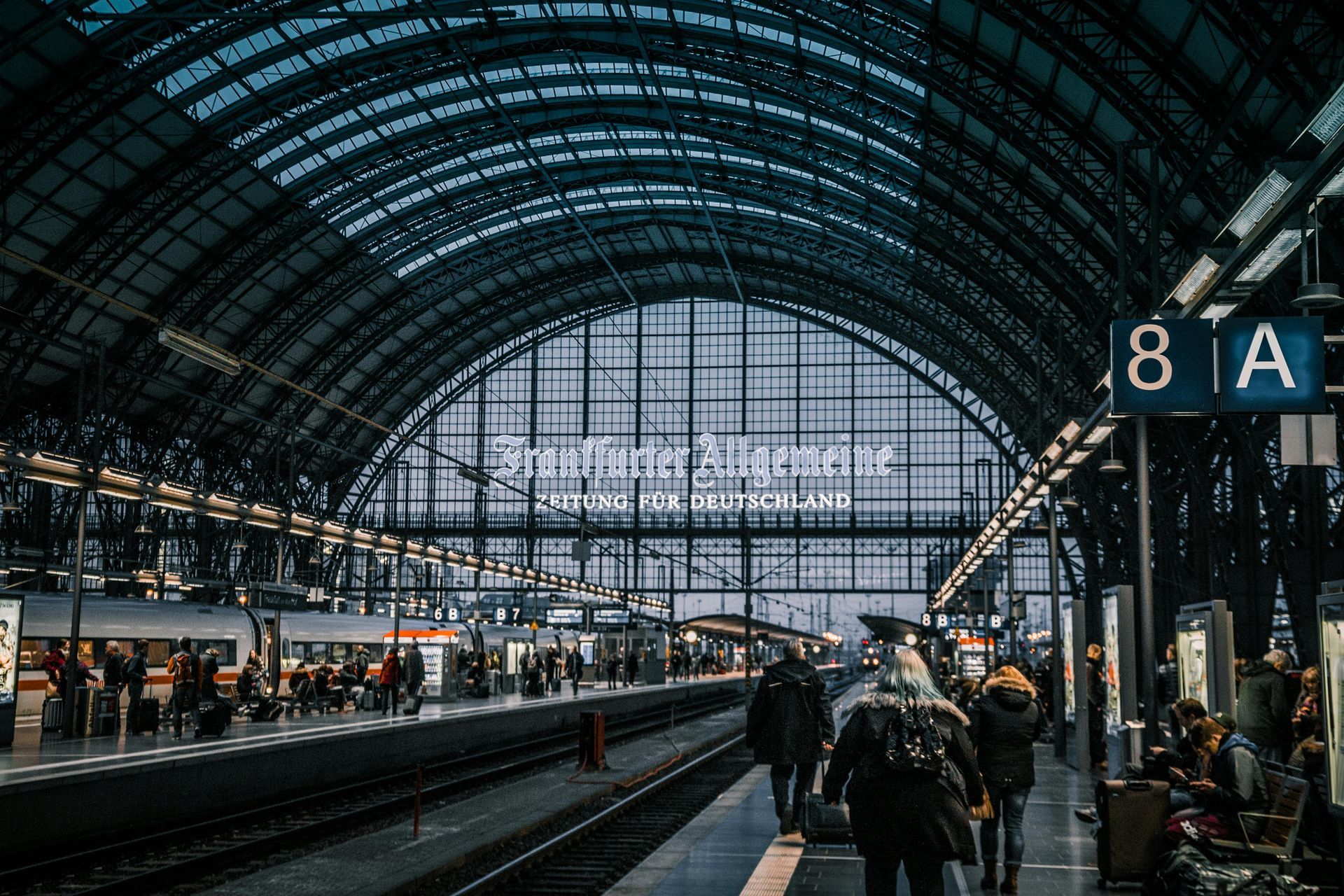
Public transport can be an efficient and immersive way to explore a new city. Whether it's the London Underground, the Tokyo Metro, or a tram in Melbourne, it forces students to engage with the real world.
But let's be honest: for a teacher, standing on a crowded platform with 30 students while a train pulls in is a high-stress environment. Navigating unfamiliar systems adds layers of complexity to your supervision. The gap between "an educational experience" and "a logistical nightmare" is entirely defined by your school excursion risk management plan.
Many schools treat transport as a simple "A to B" line item. In reality, the transit is the activity, and it carries specific risks—separation, crowding, and confusion—that require a dedicated, detailed plan.
Case Study: The Teaching Moment That Cost 45 Minutes
I recall a cultural tour where we underestimated the complexity of the local tram network. We took a wrong tram route, which added 45 minutes of travel time and completely disrupted our planned arrival.
While we spun it as a "teaching moment" about resilience, internally, it was a failure of preparation. It underscored that knowing where you are going isn't enough; you need to know exactly how the system works before you swipe your ticket.
A Framework for Urban Transit Safety
To manage these excursions effectively, your public transport risk assessment needs to move beyond generic warnings like "mind the gap." It needs to be a tactical plan.
1. Route Familiarisation (The Dry Run)
Don't figure it out on the fly. Study maps, schedules, and fare systems before departure. If possible, a staff member should scout the route or station layout ahead of the group. Knowing which exit to take can be the difference between a smooth transfer and losing visual contact with your group.
2. The "Platform Huddle" & Safety Briefing
Never brief students on a noisy platform. Brief them before you enter the station. This includes platform safety
expectations: where to stand, when to board, and the "Do Not Board" signal if the doors are closing.
3. The Buddy System 2.0
In crowded stations, a simple headcount isn't enough. Pair students for added accountability. If Student A gets on the train, they are responsible for ensuring Student B is right next to them. If Student B is left behind, Student A knows immediately.
4. The "Missing Student" Protocol
This is the fear that keeps teachers up at night. You must agree on meeting points in case someone is separated.
If left on the platform: "Stand still. Wait for a teacher to return."
If stuck on the train: "Get off at the next stop and wait right there."
How Software Secures the Moving Classroom
Managing these logistics on the fly is difficult. This is where Xcursion Planner transforms your readiness. It allows you to build detailed public transport risks directly into your digital plan.
Digital Maps & Protocols: You can upload the metro map and your specific missing student protocols directly to the trip file. Every staff member has the "Lost Student Plan" on their phone, instantly accessible.
Contact Integration: If a student is separated, you have their mobile number (if applicable) and their parents' contact details instantly available via the app, without searching through paper folders.
School Contacts & Emergency Response Plan: If a train is cancelled or a route changes, you can message all staff members instantly to coordinate a new plan as well as your safety officer back at school.
Incorporating public transport variables into your risk assessment helps prevent minor mishaps from escalating into serious issues. By planning the journey as carefully as the destination and using tools like Xcursion Planner to keep your protocols accessible, you ensure the journey is part of the education, not the emergency.