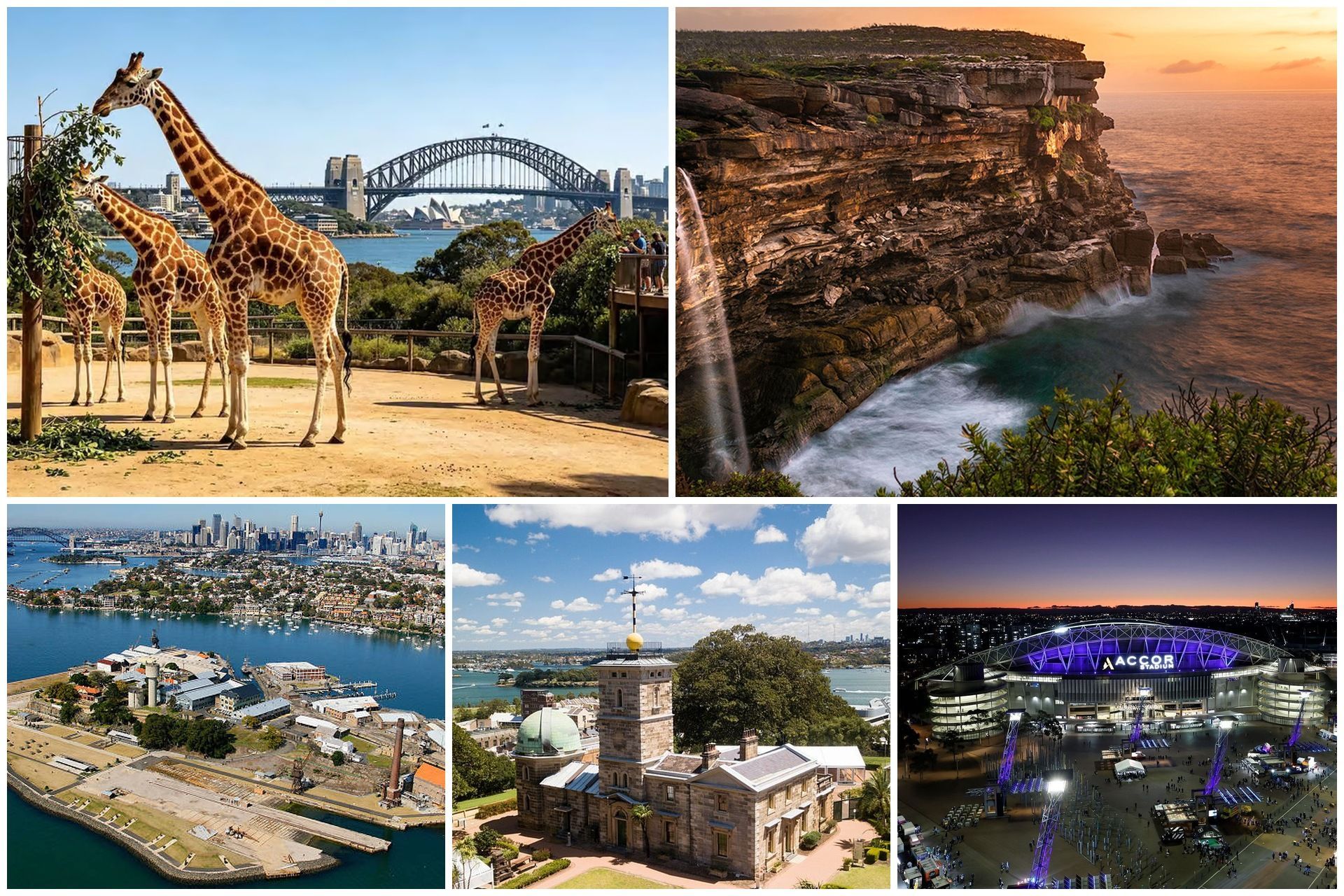
Sydney is known for its beautiful scenery, iconic landmarks and exciting attractions, but it's also a fantastic destination for school trips. From exploring nature and wildlife to discovering Australian history and science, the city offers plenty of opportunities for students to learn, explore and experience things beyond the classroom.
With the right learning objectives and proper planning, a school excursion can become a valuable and memorable experience for students. We've rounded up five of the best places for school trips in Sydney, each offering unique learning opportunities while highlighting the importance of good preparation and keeping students safe along the way.
1. Cockatoo Island
Located in the heart of Sydney Harbour, Cockatoo Island is a UNESCO World Heritage-listed destination where students can explore Australia's fascinating convict, maritime and industrial history. It's a great opportunity to bring history lessons to life and give students a closer look at Australia's past.
- The Experience: The trip begins with a ferry ride from Circular Quay, giving students a chance to enjoy the sights of Sydney Harbour along the way. Once on the island, they can explore historic shipbuilding sites, old industrial machinery, sandstone tunnels and former convict prison buildings. It's an engaging way for students to learn about Australia's colonial history, convict life and industrial development through real-world experiences rather than just textbooks.
- The Risks: As the island is only accessible by ferry, staff should plan transport arrangements and account for getting students on and off the vessel safely. The island also has uneven surfaces, steep areas and historic industrial structures, so active supervision is important, particularly around waterfront areas and restricted sections. Having clear meeting points, headcounts and supervision arrangements in place can help make the excursion both enjoyable and safe.
2. Taronga Zoo Sydney
Overlooking the beautiful Sydney Harbour, Taronga Zoo Sydney is one of the best destinations for educational school excursions in Sydney. It's an excellent choice for students interested in wildlife, biology, geography and environmental science, offering plenty of opportunities to learn about animals and conservation up close.
- The Experience: Students can explore different wildlife habitats, observe animal behaviour and learn about the importance of biodiversity and conservation. From native Australian animals to wildlife from around the world, there's plenty to discover. Keeper talks, educational presentations and interactive experiences also give students a better understanding of animal adaptations, habitat protection and the challenges facing endangered species. It's a great way to bring classroom learning to life through a hands-on wildlife experience.
- The Risk: Taronga Zoo covers a large area with several steep paths and inclines, so students may get tired, particularly during a full day of exploring. Staff should plan regular rest breaks, keep an eye on hydration during warmer weather and establish clear meeting points and headcounts throughout the visit. It's also important to consider crowd management, accessibility needs and any individual medical requirements to ensure everyone can enjoy the school excursion safely.
3. Royal National Park (Bundeena & Wattamolla)
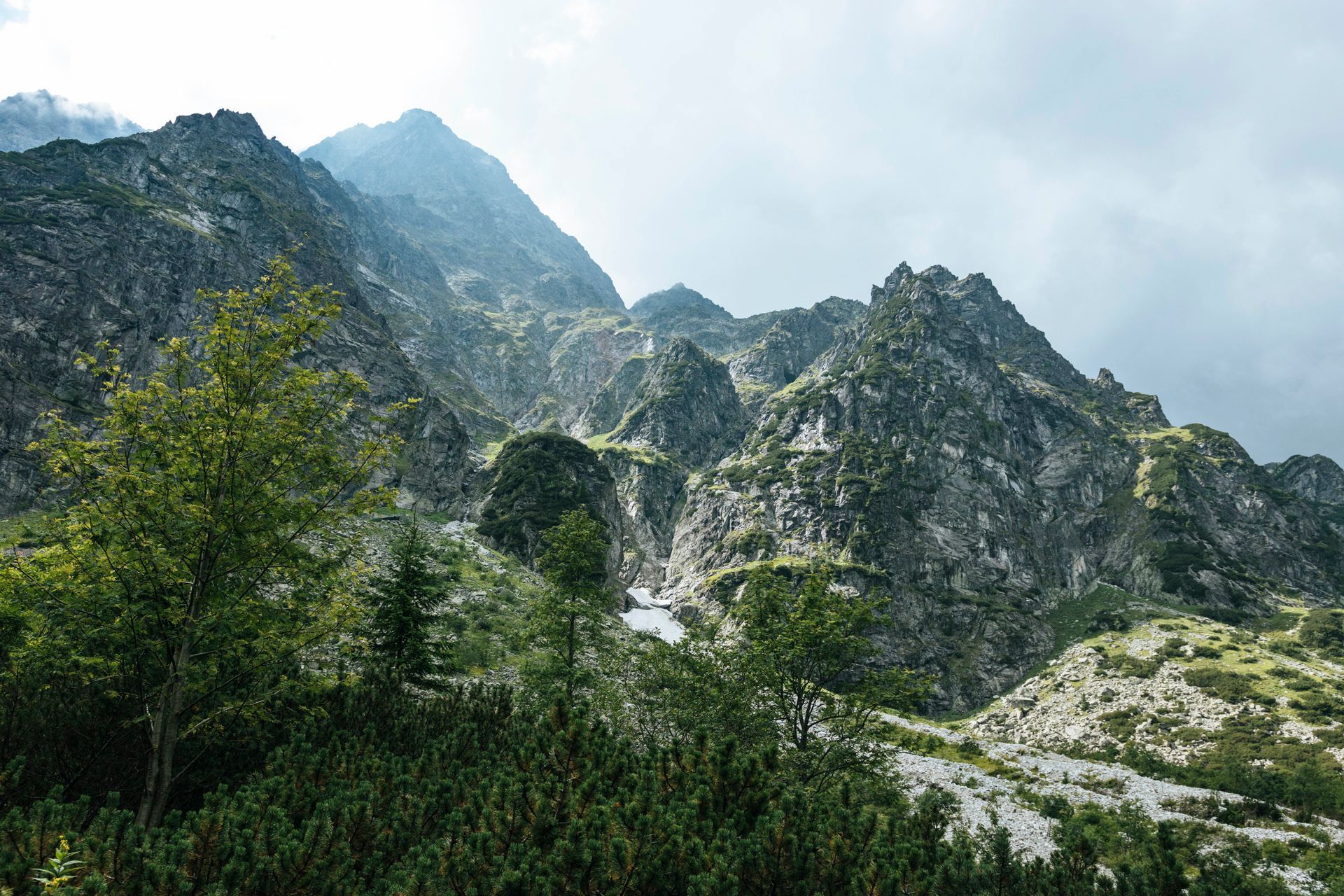
Located just south of Sydney, Royal National Park is Australia's oldest national park and a fantastic destination for outdoor education and school excursions. With its beautiful coastline, native bushland, walking trails and rich Aboriginal heritage, it offers students plenty of opportunities to explore nature and learn about the environment beyond the classroom.
- The Experience: Students can take part in geography fieldwork, explore native ecosystems and observe natural features such as coastal landscapes and erosion. Wattamolla is a popular spot, with its coastal lagoon, surrounding bushland and scenic walking areas, while Bundeena offers opportunities to learn about Aboriginal heritage and the local environment. These experiences are particularly valuable for Geography and Environmental Science students, allowing them to collect fieldwork data, understand environmental changes and develop a greater appreciation for Australia's natural landscapes.
- The Risks: As Royal National Park covers a large natural area, some locations have limited mobile reception and can be difficult to access in an emergency. Weather conditions can also change quickly, particularly along coastal tracks and exposed areas. Before visiting, staff should check weather forecasts, plan suitable walking routes, establish clear group meeting points and carry appropriate first-aid and emergency communication equipment. Having a clear emergency and evacuation plan is also important when organising school trips in natural environments.
4. Sydney Olympic Park
Originally built for the 2000 Olympic Games, Sydney Olympic Park has become much more than a sporting destination. Located in Sydney's west, it's a great place for school excursions, offering a mix of sporting facilities, outdoor spaces and environmental learning experiences that students can enjoy while discovering something new.
- The Experience: There's plenty for students to explore at Sydney Olympic Park. From learning about the history of the Olympic Games and visiting its sporting venues to discovering the local environment, the precinct offers something for different age groups and learning interests. Students can also visit the Badu Mangroves, where elevated boardwalks provide a closer look at wetland habitats, native wildlife and the importance of protecting local ecosystems. With its accessible public transport and wide-open spaces, it's also a great opportunity for students to learn about navigating public transport and taking part in group activities outside the classroom.
- The Risks: Sydney Olympic Park covers a large area, and moving between different venues and public spaces requires some planning. When travelling by train or exploring busy areas, students can easily become separated from their group if supervision arrangements aren't clear. Teachers should establish meeting points, conduct regular headcounts and make sure students understand the travel arrangements before the excursion. It's also worth planning walking routes, rest breaks and transition times to keep the day running smoothly.
5. The Rocks and Sydney Observatory
For schools looking to combine history, culture and science in one excursion, The Rocks and Sydney Observatory offer a wonderful learning experience. This part of Sydney is full of fascinating stories, from its early colonial history and Aboriginal heritage to the discoveries of astronomy and space exploration.
- The Experience: A walk through The Rocks gives students a closer look at Sydney's early history, with historic buildings, cobblestone streets and landmarks that tell the story of the city's development. It's also an opportunity to learn about the area's Aboriginal heritage and the history of the Eora Nation. Just a short walk away, Sydney Observatory offers another exciting learning experience, where students can discover astronomy, explore historic telescopes and learn more about space and the night sky. It's particularly valuable for students studying History, HSIE and STEM, bringing classroom topics to life through hands-on exploration.
- The Risks: As The Rocks is a busy urban area, staff should take extra care when moving students through crowded streets, narrow footpaths and pedestrian crossings. Some sections also have uneven cobblestones and steep stairs, so it's important to consider accessibility and suitable walking routes. Before setting off, establish clear meeting points, keep students in supervised groups and make sure everyone understands road-crossing procedures. Regular headcounts can also help keep the group together throughout the excursion.
Turning Good Planning into Safer Experiences
Good risk management occurs weeks, months, and even years before a school excursion or activity begins. The amazing travel experiences listed above are made possible through responsible planning and by empowering your educators to make sound decisions in the field.
A paperwork system based purely on checking boxes and obtaining approvals can mask a lack of genuine risk management understanding and implementation. Treating risk assessments as an administrative hurdle rather than a practical planning tool is a fundamental process failure. After all, paperwork without training and experience is just that: paperwork.
By using Xcursion Planner software, schools can replace static, disconnected paperwork with dynamic, location-specific risk assessments and accessible medical data directly on staff devices. This removes the friction of compliance and gives teachers the situational awareness they need to focus on delivering engaging, safe, and memorable educational trips.