The difference between chaos and clarity
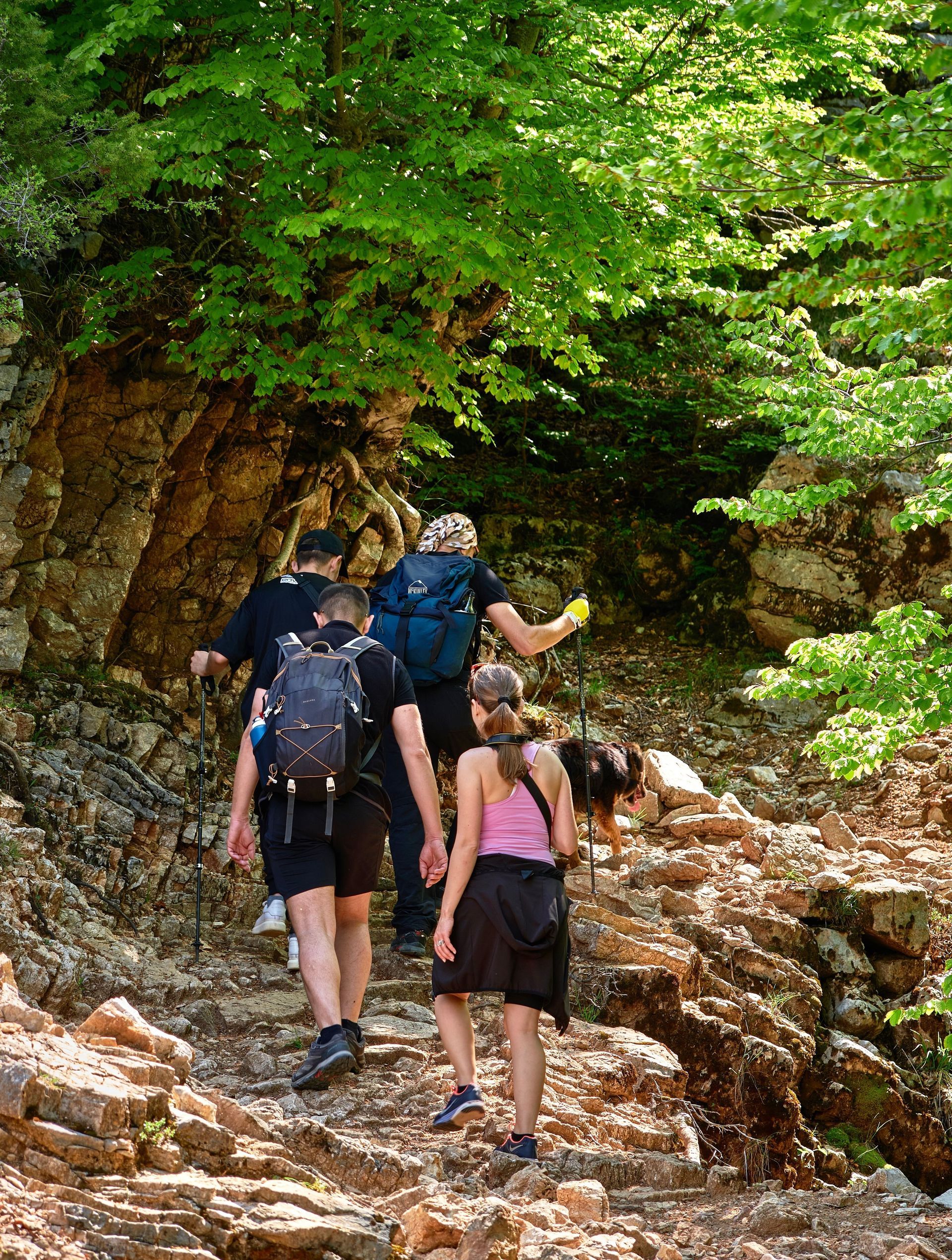
You're three hours into a hiking excursion with thirty students spread across two groups. Weather shifts faster than the forecast promised. Something's off. The trail narrows. A staff member flags concern. What happens next depends entirely on whether your people are trained, know the protocol, have clear communication lines open, and trust the people around them to have their backs. Or whether everyone's just hoping things stay okay and nobody looks too hard at what's going wrong.
The single biggest difference between excursions that run smoothly and those that become disasters is not luck. It's not the weather or the group or the location. It's whether the people in the field have been given systems clear enough that good judgment is actually possible.
Why judgment fails without systems
Fatigue degrades decision-making. That's established. Research shows that broken sleep and multiple shifts of work hit your ability to think clearly the same way alcohol does. You wouldn't allow staff to run an excursion drunk. Yet many schools let staff run programs exhausted, understaffed, and without clear protocols. The outcome is the same: tunnel vision, fixation on minor details, inability to see the bigger picture, and a death spiral of poor decisions.
But fatigue isn't the only culprit. Even well-rested staff fail to make good calls when:
- No one has trained them in what to look for or how to respond. The first time most classroom teachers encounter risk management is when they're taking a group of students away. With puzzled looks, they ask someone else what to do. The equally uncertain colleague offers vague advice. That's the blind leading the blind.
- Procedures don't exist or aren't clear. If three staff members would make three different calls about the same situation because they've never aligned on how things should work, you don't have a system. You have crossed fingers.
- Communication breaks down. A student with a concern doesn't know who to tell. A staff member spots a hazard but doesn't escalate it because no escalation path exists. The person holding critical information doesn't share it with the people who need it in the moment.
- Decisions are made in isolation. One leader alone decides whether to continue, turn back, or modify. No one else has full visibility. No one else can say, "Wait, you're not seeing this because you're focused on that."
Each of these is fixable. None of them require heroic judgment or years of experience. They require systems.
What preparation actually looks like
Good risk management decisions happen weeks, months, and years in advance, long before staff and students step onto a trail or board a coach. The systems that support good field judgment are built during planning.
Clear protocols, owned by staff. Not a 40-page risk assessment that sits in a filing cabinet. Protocol means: if this happens, we do this. Staff are trained on the protocol. They've practiced it. They've discussed it. They own it. A fatigue management system isn't just "don't let people get tired." Its explicit answers to: How long is an acceptable shift? What tasks are staff doing during that time? What driving is involved? Can the load be shared? If someone flags fatigue, what's the response? Without these specifics, you're relying on individuals to make judgment calls they're not equipped to make.
Roles and responsibilities, crystal clear. Who's leading? Who's sweeping? Who's watching for medical concerns? Who manages communication with parents? Who decides whether to turn back? When people don't know, or when multiple people think they're in charge, things fall apart. Clarity is freedom. People can make good calls because they know their zone of responsibility.
Training that mirrors reality. Senior First Aid teaches theory. Wilderness First Aid teaches practice. The difference is enormous. The same applies to risk management and incident response. Classroom-based training helps. But training that runs realistic scenarios, messy and incomplete information, adrenaline, multiple moving pieces, is what actually prepares people to stay calm and think when it matters. When you've practiced a scenario in a controlled setting, your brain doesn't freeze when something similar happens in the field.
Transparent incident culture. If something goes wrong, staff need to know the response will be learning, not blame-hunting. Organizations that treat near misses and small failures as teaching opportunities get better over time. Organizations that punish honesty drive incidents underground, incidents that could have been learned from become patterns that repeat. The culture sets the floor. If leaders discuss incidents openly, staff will report them. If leaders look for scapegoats, incidents stay hidden.
Staff who are trained and mentored. It takes time and experience to develop situational awareness, the ability to read a group, sense when something's off, see risks before they become problems. A new staff member shouldn't be leading an overseas trip alone. They should be mentored alongside someone experienced. An experienced staff member who has never worked at altitude shouldn't assume they know how altitude affects student behavior. You're not asking people to be heroes. You're asking them to start somewhere and grow into competence under supervision.
The three elements that matter
You can't control weather. You can't control how students behave on a particular day. But you can control the foundation on which all field decisions rest: environment, behavior, and hazards. These three elements compound each other.
The environment is what it is: terrain, altitude, weather, remoteness. Behavior depends on how well your people are trained and supported. And hazards can be anticipated and mitigated. A single hazard in isolation might not sink you. But combine a challenging environment with staff who are fatigued or untrained and a student with a medical condition no one flagged, and now you're shaping up for real trouble. Situational awareness means you're actively reading how these three things interact, not just hoping they work out.
How this sits inside the bigger structure
Xcursion Planner exists because of this insight. A system that captures medical information, ensures staff training is current, builds checklists and protocols that are specific to each trip (not generic templates), and keeps essential information accessible to everyone who needs it, that's what enables people in the field to make good calls. The software doesn't make the judgment. The staff do. But the system removes friction. There's no guesswork about what medical conditions are relevant. There's no confusion about who's supposed to do what. There's no gap between the plan made on dry land and the reality of what's happening on the water or the trail.
Good systems let good people do their job better. They're not about compliance theatre or box-ticking. They're about clarity, preparation, and support.
The responsibility lands on leadership
None of this happens by accident. It requires someone at the top, a principal, a head of co-curricular, a program director, who sets the tone and insists that risk management is about culture and competence, not paperwork. That person needs to allocate time for training. They need to push back when someone says, "We've always done it this way, so it must be fine." They need to have difficult conversations about fatigue, about staff who don't belong in the field, and about what good risk management looks like.
It also requires accepting that risk management isn't a role you bolt onto someone already drowning in work. It's not something you do at the last minute. It's woven into how programs are designed, how staff are trained, and how decisions are made.
The closing reality
Your staff can't make good field judgments if you haven't prepared them to. That's not a failure of their character or skill. That's a failure of the system. And that's on leadership.
The question isn't whether you can afford to build these systems. The question is whether you can afford not to. The liability is real. The duty of care is real.
Build systems that let your people think clearly. Train them. Support them.
That's how better systems support better judgment.
See how Xcursion Planner helps schools move from generic compliance documents to systems that actually work in the field, with staff clarity, and accessible protocols. Schedule a demo to see how it fits into your excursion program.