As school leaders, we always have a lot going on. Between curriculum demands, pastoral care, and administrative burdens, it is easy to assume that a capable classroom teacher is automatically a capable excursion leader.
This assumption is one of the
most dangerous disconnects in modern education.
While schools are eager to expand experiential learning programs, the skills required to manage safety on a hiking trail or an international tour are fundamentally different from those needed in a Year 9 History class. Understanding this distinction is not just about compliance; it is about preventing the kind of incidents that leave families devastated and schools liable.
The Controlled vs. The Uncontrolled Environment
The primary difference lies in the nature of the environment.
In a school, we operate in a highly structured and controlled setting. There are clear, consistent parameters around classroom activities and definitive timeframes regarding how long a teacher is responsible for students. If a student acts out or an accident occurs, help is usually a phone call or a runner away. You can call the office for support or send a student to the nurse.
Outside the classroom, the reality is dramatically different. It is a dynamic, uncontrolled environment without clear parameters.
Variables: You are dealing with transport, airports, foreign cultures, laws, and remote operations.
Extended Duty: Activities vary dramatically in length, often requiring 24/7 supervision where staff cannot "clock off".
Isolation: In the field, you cannot just send a student to the office. You are the office, the nurse, and the emergency response team all at once.
If a teacher has not had specific risk management training for these environments, they shouldn't be planning or running the activity.
The "Osmosis" Training Myth
Generally speaking, teachers are well-trained and prepared for the classroom environment. However, there is nothing in standard teacher training that helps them understand the roles and responsibilities of planning for and managing risk in the field.
The industry has long relied on the "osmosis method"—the expectation that by simply attending trips, teachers will magically absorb the complex skills needed to manage risk. This is ridiculous in the extreme.
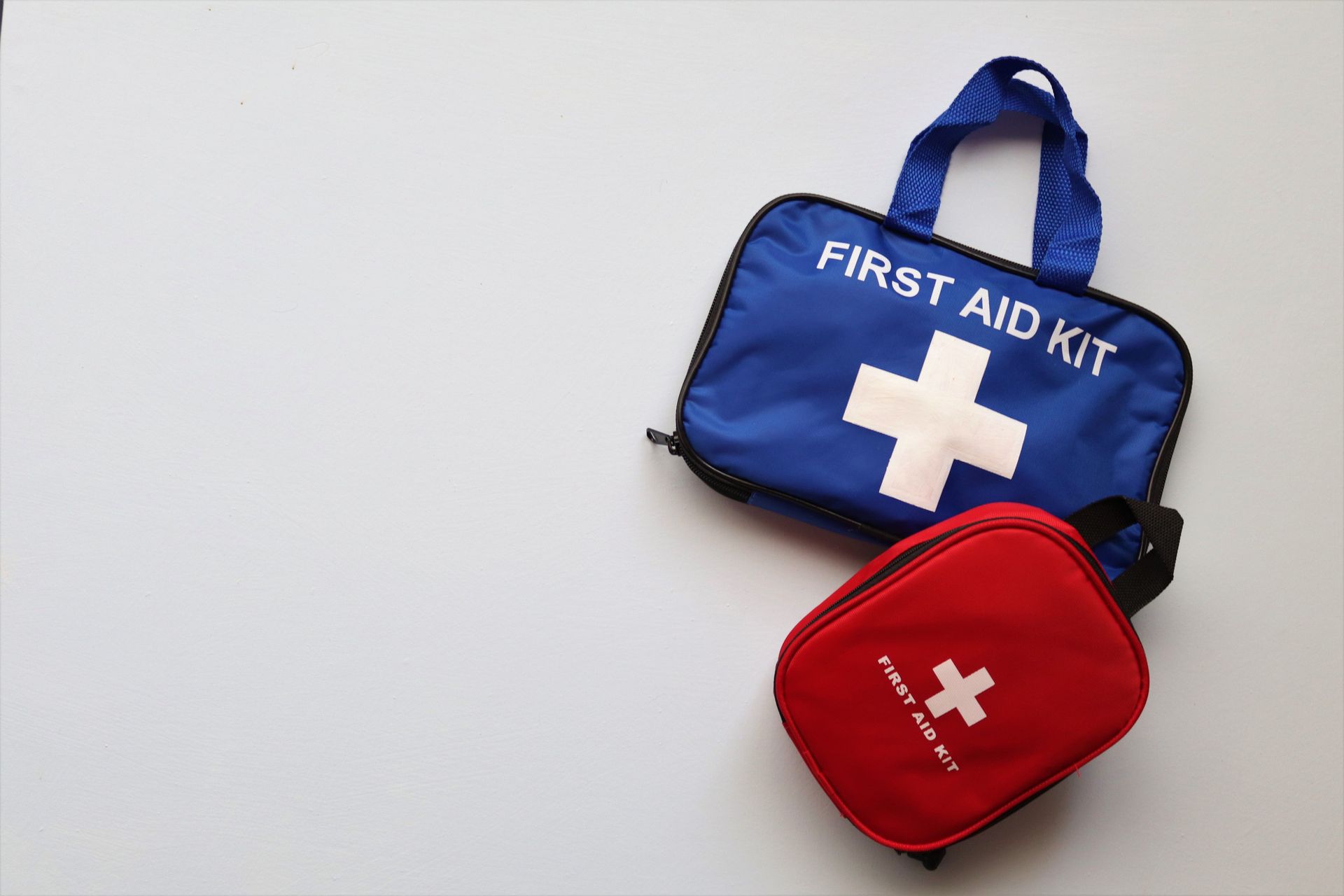
We would never ask an English teacher to teach Algebra simply because they’ve read a chapter ahead of the students. Yet, we frequently send staff into high-risk environments with little more than a first-aid kit and a clipboard, assuming their classroom management skills will suffice.
Decision Making Under Pressure
In a classroom, a poor decision might result in a disrupted lesson or a parent email. In outdoor education, a poor decision can lead to fatality.
The stakes change because the human factors change—specifically,
fatigue.
On camps and excursions, staff often work long shifts without adequate rest. Research shows that being awake for 24 hours affects decision-making capabilities
similarly to being drunk. When we are fatigued, our focus narrows, and our ability to solve complex problems is significantly inhibited.
In a classroom, a tired teacher might be grumpy. On a trail, a tired teacher might miss the signs of a rapidly approaching storm or hypothermia. The classroom offers a safety net for human error; the outdoors often does not.
Medical Complexity and Duty of Care
Managing medical needs in a school is often a shared responsibility between administration and nursing staff. On an excursion, that burden falls squarely on the teacher.
Consider the complexity of administering medication. In a school, it is controlled. On a camp, distractions are constant. I recall one program where a student’s ADHD medication was missed because the teacher was overwhelmed by the environment. The student, essentially "Bart Simpson on steroids," became a safety containment issue for thirteen hours.
It is easy for things to slip through the cracks when you are out of your routine. This is why relying on memory or paper forms is insufficient. You need systems that trigger alerts and timestamp actions to ensure duty of care is met, regardless of how chaotic the environment becomes, like Xcursion Planner.
Bridging the Gap
The disconnect between the reality of classroom skills and the mindset needed for unstructured environments is a contributing factor in many tragic incidents.
To address this, schools must stop viewing risk management as a paperwork exercise. A risk assessment form does not keep a child safe; a trained, situationally aware teacher does.
Specific Training: Provide professional development specifically for off-site risk management, not just generic workplace safety.
Systems Support: Use tools that support decision-making in the field, rather than just compliance in the office.
Culture: Build a culture where it is acceptable to cancel or modify a trip if the risk profile is too high, rather than pushing through due to pressure.
Nobody is "just a classroom teacher" anymore. As our programs venture further into the real world, our approach to risk must evolve to match the environment.
A Next Step for Your School
Review your current induction process for staff leading excursions. Does it assume classroom competence equals outdoor competence? If you identify a gap, consider running a specific scenario-based training session before your next major camp season begins.