When school leaders review an excursion risk assessment, their focus naturally gravitates toward the obvious physical hazards: rock climbing falls, swift water, or navigating busy international airports. Yet, historically and statistically, these high-profile activities are rarely the source of serious medical incidents.
The most common, rapid, and potentially life-threatening emergencies stem from something far more routine: pre-existing respiratory and allergic conditions. Specifically,
managing asthma and allergies on school excursions is where standard school safety systems most frequently fail. A perfectly planned itinerary can unravel in minutes when a student encounters an unexpected trigger off-site, proving that collecting a medical form does not equal readiness.
Why Managing Asthma and Allergies on School Excursions Matters
Inside the classroom, an asthma flare-up or an allergic reaction happens within a highly controlled environment. The student’s medical action plan is pinned to the wall, the sick bay is a minute away, and an ambulance can be at the front gate almost instantly.
Outside the school gates, that safety net disappears. You are dealing with distance, unpredictable weather, physical exertion, and delayed emergency response times. Anaphylaxis and severe asthma do not offer a grace period. When a student's airway is compromised, the staff member standing directly in front of them is entirely responsible for the immediate, life-saving intervention.
Under the legal framework of
in loco parentis, courts will examine your school's duty of care. They will look closely at whether your staff had immediate access to the student's action plan and the situational awareness to identify early warning signs before the situation became critical.
What Schools Commonly Get Wrong in the Field
When schools rely purely on administrative compliance rather than operational readiness, predictable failures occur in the field.
The "Folder on the Bus" Syndrome: The school meticulously collected every asthma and anaphylaxis action plan and put them in a pristine binder. However, that binder was left in the lead teacher's backpack on the bus, while the student experiencing the allergic reaction is two kilometres down a hiking trail with a different supervisor.
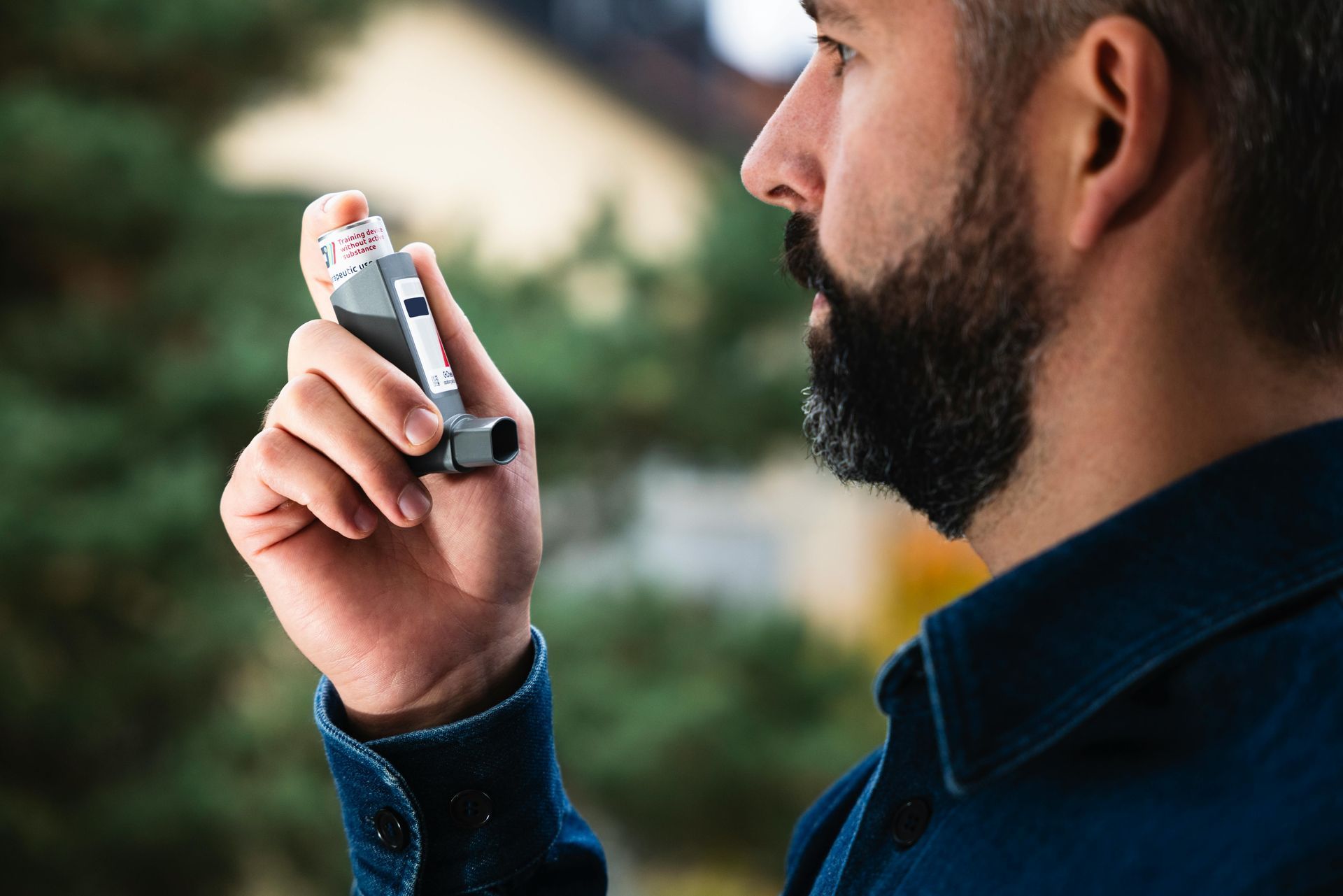
Assuming Student Self-Management: We often trust older students to carry their own Ventolin or EpiPens. In reality, teenagers frequently forget them, leave them in their tents, or hide the severity of their symptoms to avoid embarrassment in front of peers.
Underestimating the Environment: An excursion introduces novel triggers. A student whose asthma is perfectly managed in a climate-controlled classroom may suffer a severe attack when forced to exercise in cold, damp air or high-pollen environments.
What Good Practice Actually Looks Like
Managing these risks requires moving beyond the paperwork and establishing a culture of proactive, dynamic risk assessment.
1. Verify Before You Leave
Never assume the medication is present. Good practice dictates a physical "show me" check before the bus departs. If a student's profile says they require an auto-injector or an inhaler, the supervising teacher must visually confirm the student has it on their person, and that the medication is not expired.
2. Decentralize Medical Information
Critical health information cannot live in a single silo. Every staff member supervising a sub-group must have immediate, independent access to the medical profiles and action plans of the specific students in their care. If an emergency strikes, they cannot be wasting precious minutes trying to radio the lead teacher to ask about dosage requirements.
3. Anticipate Food and Environmental Variables
When dealing with external catering on camps or international tours, cross-contamination is a severe risk. Staff must be trained to actively question food providers, rather than blindly trusting that a meal is allergen-free. Similarly, staff must be empowered to modify activities if environmental triggers—like a sudden drop in temperature or high winds—increase the asthma risk for vulnerable students.
System-Level Thinking for Medical Risk
Process failure and human error are the true culprits in most excursion medical emergencies. A fatigued teacher managing twenty excited teenagers is prone to missing early, subtle signs of respiratory distress.
School leadership must recognize this vulnerability and implement systems that support their staff in the field. Relying on a wet piece of paper to guide a teacher through a high-stress medical emergency is a profound organizational failure.
True duty of care requires systems that put critical information directly in the hands of the practitioner when they need it most. Tools like Xcursion Planner allow schools to digitize medical profiles and action plans so they are accessible offline on a teacher's device. This ensures that no matter where the group is, the exact protocols for managing a student's specific asthma or allergy needs are instantly available.
Equipping your staff with clear, accessible information isn't just about compliance; it is about giving them the confidence and the capability to make life-saving decisions when seconds count.