You are standing on the side of a hiking trail. The weather has just turned, it’s raining heavily, and one of your students is showing early signs of an allergic reaction. Where is their medical plan?
If that critical information is buried in a soggy manila folder at the bottom of a backpack—or worse, sitting in a filing cabinet back in the principal's office—your
paper-based risk management has just failed the reality test.
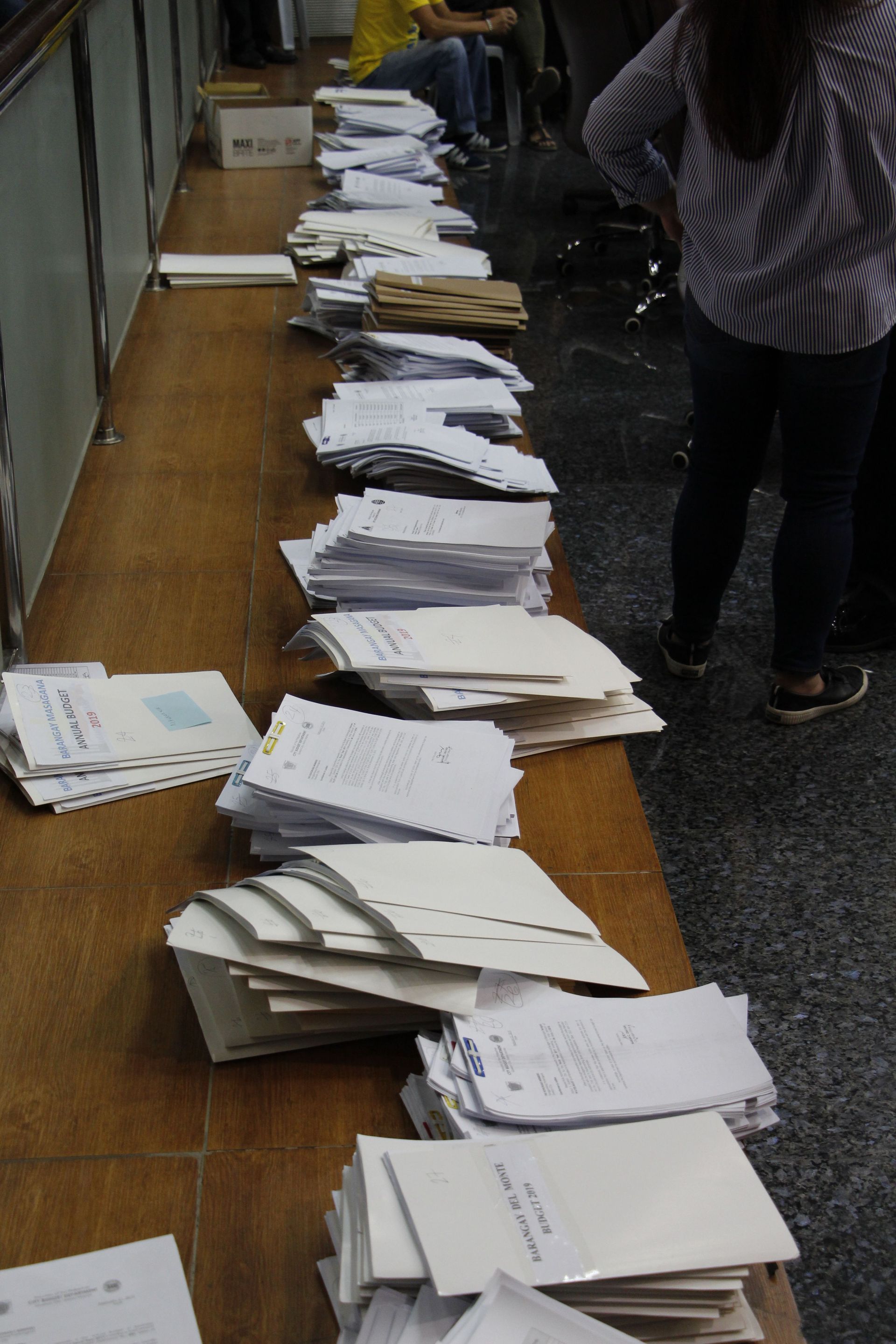
When educators take students off-site, the environment changes from highly structured to highly dynamic. Despite this, many schools still rely on static, paper-based forms to manage dynamic risks. In an era of increasing legal scrutiny and complex medical needs, this gap between policy documentation and on-the-ground reality is becoming a critical liability.
The Hidden Danger of Paper-Based Risk Management
Many schools operate under the illusion that because a risk assessment form has been signed and filed, the risk is being managed. This is compliance theatre. Paperwork without practitioner experience and real-time application is just paperwork.
Paper forms do not manage risk; people do. A static piece of paper cannot alert a fatigued teacher that a student’s daily medication is due in five minutes. A printed document cannot automatically update when a parent changes an emergency contact number an hour before the bus departs.
When an incident occurs, the courts will not simply look at whether a form was completed. They will apply the
reasonable person test and examine your
duty of care. They will ask: did the school provide the staff on the ground with the most accurate, accessible information to make an informed decision in the moment? If the answer relies on a three-week-old printout, your legal exposure is significant.
What Schools Commonly Get Wrong
The most common failure in excursion approval and governance is treating risk management as a bureaucratic hurdle rather than an operational safety tool. This disconnect manifests in several ways:
- Information Silos: Medical information is collected on paper forms but rarely makes it into the hands of the specific teachers leading the activity in a highly usable format.
- Version Control Disasters: Multiple printed copies of itineraries and medical lists mean that when an update occurs, half the staff are working off outdated information.
- The Fatigue Factor: In challenging environments, human factors are critical. A fatigued teacher managing students in the rain does not have the cognitive capacity to cross-reference multiple paper manifests to determine who needs which medication.
- False Security: Administrators often assume that because the paperwork looks thorough, the staff are situationally aware. In reality, the staff may have never absorbed the 40-page risk assessment handed to them on the morning of the trip.
What Good Practice Actually Looks Like
Good risk management is proactive, accessible, and grounded in the realities of the outdoors. It shifts the focus from checking boxes to enabling better decision-making.
If you want to protect your staff and your students, your risk management approach must be:
- Dynamic and Accessible: Information must travel with the teachers. It needs to be instantly accessible, even offline, regardless of weather conditions.
- Actionable: A list of medications is passive. A system that actively prompts staff when to administer medications removes human error and reduces the cognitive load on tired educators.
- Practitioner-Led: Risk assessments should be reviewed and understood by the people actually running the program, ensuring they have true situational awareness and contingency plans.
- Transparent: If an incident occurs, you need an exact, time-stamped record of what actions were taken and when—something a muddy piece of paper can rarely provide.
Moving Beyond Compliance Theatre
We need to think about system-level solutions. When you rely on manual processes, you amplify the risk of human error. Process failure is inevitable when exhausted teachers are expected to flawlessly execute administrative tasks in uncontrolled environments.
To genuinely exercise
in loco parentis, schools must bridge the gap between the office and the field. This means adopting systems that actively support teachers in making safe, informed decisions when things don't go to plan.
This is the core philosophy behind Xcursion Planner. It is designed to replace the dead-end paper trail with an active, reliable system that ensures you have the right information, at the right time, to keep your students safe.
Before your next camp or international tour heads out the gate, ask yourself: is your risk management system actually protecting your students, or just protecting your filing cabinet?
Ready to move away from the liability of paper-based systems? Equip your staff with the tools they need to make confident, informed decisions in the field. Discover how Xcursion Planner brings real-time safety and situational awareness to your school excursions today.