Adapting Water-Based Field Trips to Unpredictable Weather

Xcurison Admin • November 4, 2025

The Wind Has Shifted: A Guide to Adapting Water-Based Excursions

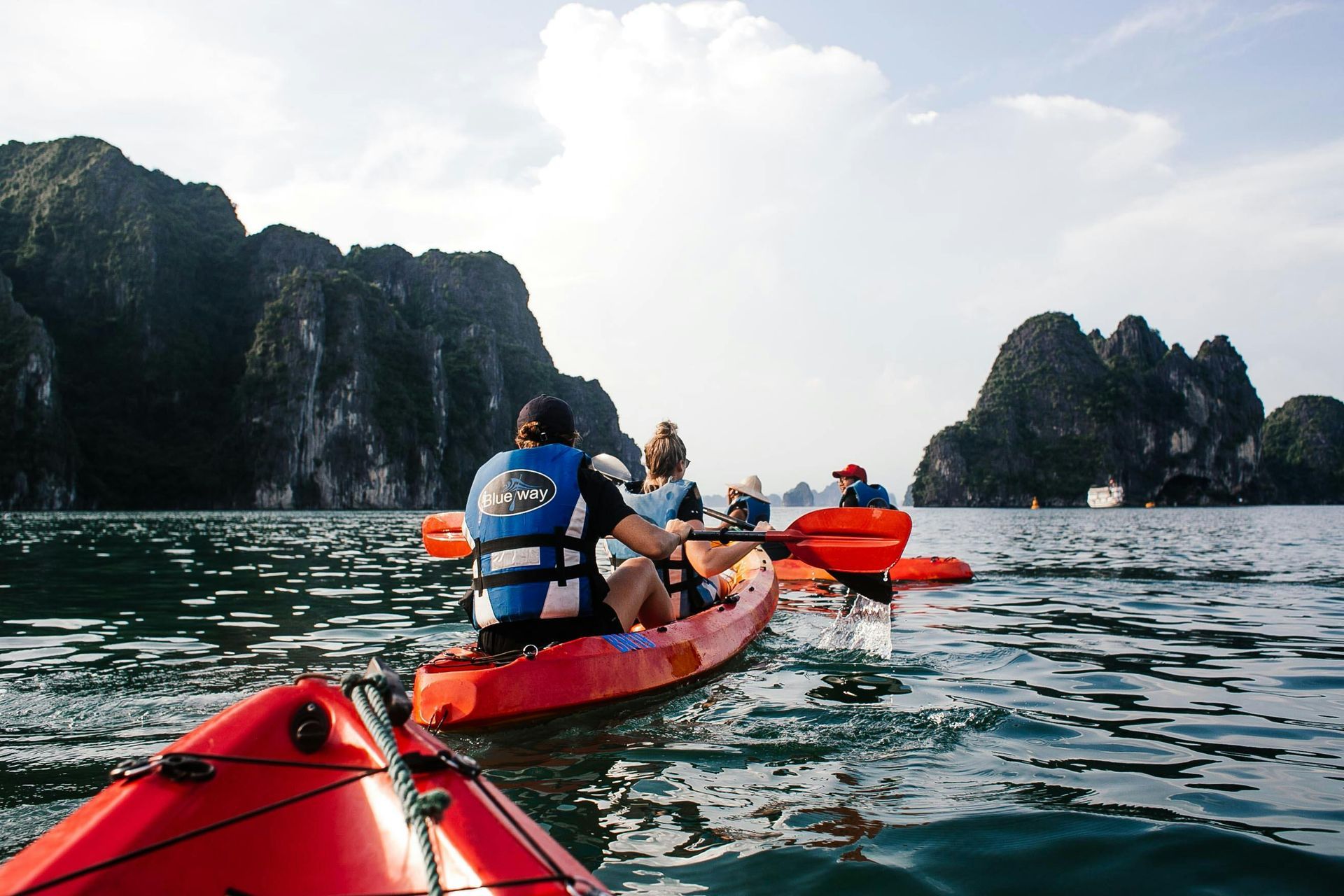
If there’s one thing I’ve learned from running water-based school excursions whether it’s canoeing, sailing, or coastal studies it’s that the weather will always keep you on your toes. A calm morning can turn into a wind-whipped afternoon, and a sunny forecast doesn’t guarantee you’ll stay dry.

The problem isn’t that conditions change; it’s being caught without a plan when they do. That’s when a straightforward trip can turn into a logistical mess and a high-risk situation.


A Framework for a Fluid Response


When you’re working on the water, unpredictability is part of the deal. Your school excursion risk management plan must be as fluid as the environment itself. The difference between a controlled pivot and chaos is having your alternative options ready to go before you launch. This is a core competency developed in good risk management training for teachers.


1. Integrate Live Weather Monitoring


Your plan should be a living document. Using school excursion risk assessment software like Xcursion Planner allows you to integrate live weather, wind, and tide updates directly into your trip dashboard, so your decisions are based on the latest information.


2. Pre-Plan Your Exit Points


Never start a water journey without knowing all the ways you can get off it. Your pre-trip planning should involve mapping multiple alternate landing and exit points along your route.


3. Have a Clear Communication Plan


When conditions change, you need to be able to communicate with your team instantly. Your plan must include primary and backup communication methods and a clear protocol for making decisions and relaying them to the entire group and the school.


For all water-based sports, camps, and activities, your ability to adapt is your most critical asset. By building a plan with multiple contingencies and using tools that provide live data and instant communication, you retain control, manage risk, and ensure the focus remains on the experience.

By Xcurison Safety March 2, 2026
Experience in outdoor education is vital, but it doesn't eliminate risk. Learn why complacency and fatigue can compromise even the most veteran school staff.
By Xcurison Safety March 1, 2026
Expert guidance on managing risks for international school excursions. Learn essential safety protocols, staff training requirements, and risk assessment strategies.
By Xcurison Safety February 26, 2026
What's the difference between duty of care and negligence? Learn how to write legally defensible school excursion risk assessments that protect students and staff.
By Xcurison Safety February 25, 2026
Classroom safety protocols don't translate to the field. Learn the differences between outdoor education risk and classroom environments to protect your school.
By Xcurison Safety February 24, 2026
Fatigue kills decision-making skills. A direct guide for teachers on why you cannot 'push through' tiredness on school camps and the systems you need to stay safe.
By Xcurison Safety February 23, 2026
Stop sanitizing school sport. Learn how to balance duty of care with the benefits of competitive challenge. Practical risk management strategies for educators.
By Xcurison Safety February 22, 2026
Stop hoarding decision-making. Learn how to empower students to make real, independent decisions in challenging environments to build resilience and leadership.
By Xcurison Safety February 19, 2026
Growth happens outside the comfort zone. A personal story of conquering a double-black diamond ski run and the lessons for student resilience.
By Xcurison Safety February 18, 2026
A school camp risk assessment often looks perfect until an incident occurs. Learn why compliance fails in the field and how to build safety culture in your school.
By Xcurison Safety February 17, 2026
Coordinate multiple activity stations for various trips with scheduling, and communication tools. Use risk assessment software to ensure a well-managed program.
Show More