How can we, as teachers, teach good decision-making skills? For many, the idea of letting go of the reins and losing control of a class is a nightmare scenario. After all, we’ve spent years perfecting the art of being in control.
However, if you want to produce mature, independent-thinking young adults, at some point you need to relinquish the standard "classroom" control. Many schools profess to give students the opportunity to lead, but often it's just a case of students being led around and pretending to make decisions. Students see right through this false veneer of illusionary responsibility.
The only way to address this is to actually allow your students to make decisions for themselves. This is where advanced risk management training for teachers becomes critical, as it teaches the art of facilitation.
The Facilitator's Role: Providing the Framework, Not the Answers
To be an effective facilitator, you must be freed from the burden of logistical micro-management. By using school excursion risk assessment software like Xcursion Planner to manage your "operational framework" maps, medicals, contacts, and contingencies for all your sports, camps, and trips you can confidently step back. The software provides the structural support, allowing you to focus on the group's process and educational journey.
Case Study: The Shoalhaven Gorge Dilemma
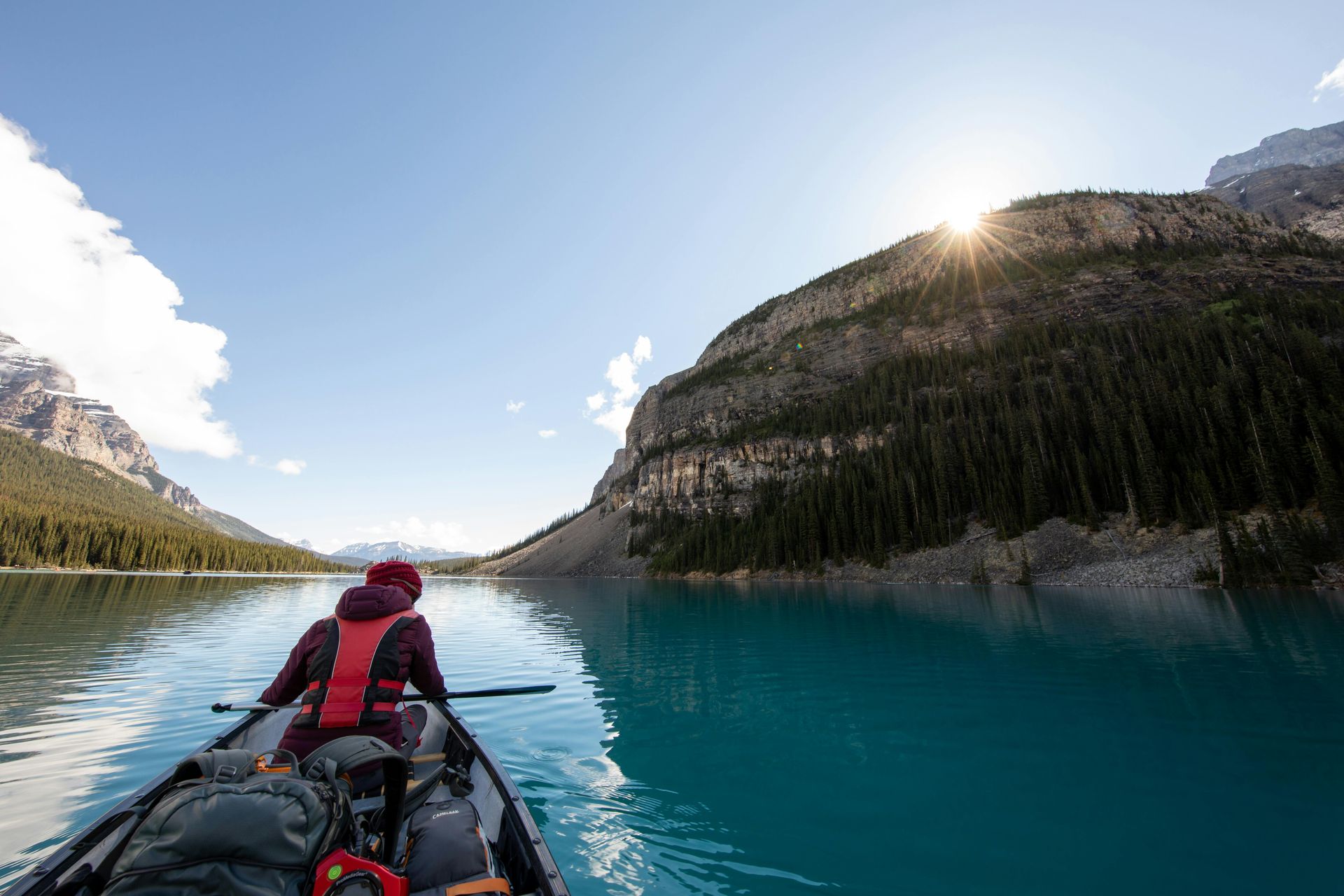
On one canoe expedition, we were paddling up the Shoalhaven Gorge in the pouring rain. After a gruelling morning, we found a large sandstone outcrop that provided a natural shelter for six of our seven boats, leaving one crew out in the downpour.
My role was not to solve this problem for them. I posed the question, "What are your options?"
Their initial resolution was to cycle the boats through the sheltered spots every five minutes. They tried this for ten minutes before realising how logistically difficult it was with fully loaded canoes. As they sat there, getting hungrier and waiting to be told what to do, I threw out another prompt: "Why don’t you see where we are on the map, then look at where the campsite is and assess how long it’s going to take us to get there?"
The sound of their voices bounced off the rocky wall as they discussed the possibilities. The rain wasn’t stopping, and the canoes were getting uncomfortable. I had no idea what the outcome would be, and no matter what they decided unless it posed an unmanageable risk I was ready to go with it.
The end result, despite the miserable conditions, was a decision to get back out on the river and keep paddling to camp. They reasoned that this would mean they could get a fire going, set up their tents, and have something warm to eat sooner. I was surprised but impressed by the logical process through which the decision was made.
The Ripple Effect of Real Responsibility
As soon as we started paddling, we got absolutely smashed by torrential rain. Yet everyone pressed on. When we arrived at the campsite, something amazing happened. The earlier discussion had brought them together as a team. Before we could say anything, they were already out looking for firewood. Tents went up, a raging fire was going, and everyone was happily eating their well-deserved lunch.
They just did it all themselves. Once they realised they were trusted to make one significant decision, it gave them the opportunity to push the boundaries of that trust and not wait to be told what to do next. Despite the rain and discomfort, it remains one of the most rewarding canoeing expeditions I’ve ever had.
This is the power of genuine, student-led school excursion risk management. By allowing students the chance to take on responsibilities they wouldn’t normally have, you super-charge the learning opportunities and achieve a level of growth and development you never could by doing it for them.