
Discover how medical handover failures on excursions expose schools to serious legal risks. Learn practical strategies to improve school trip medication management.

Relying on "no issues reported" is a dangerous gap in incident reporting in schools. Learn why silence does not equal safety and how to protect your students.

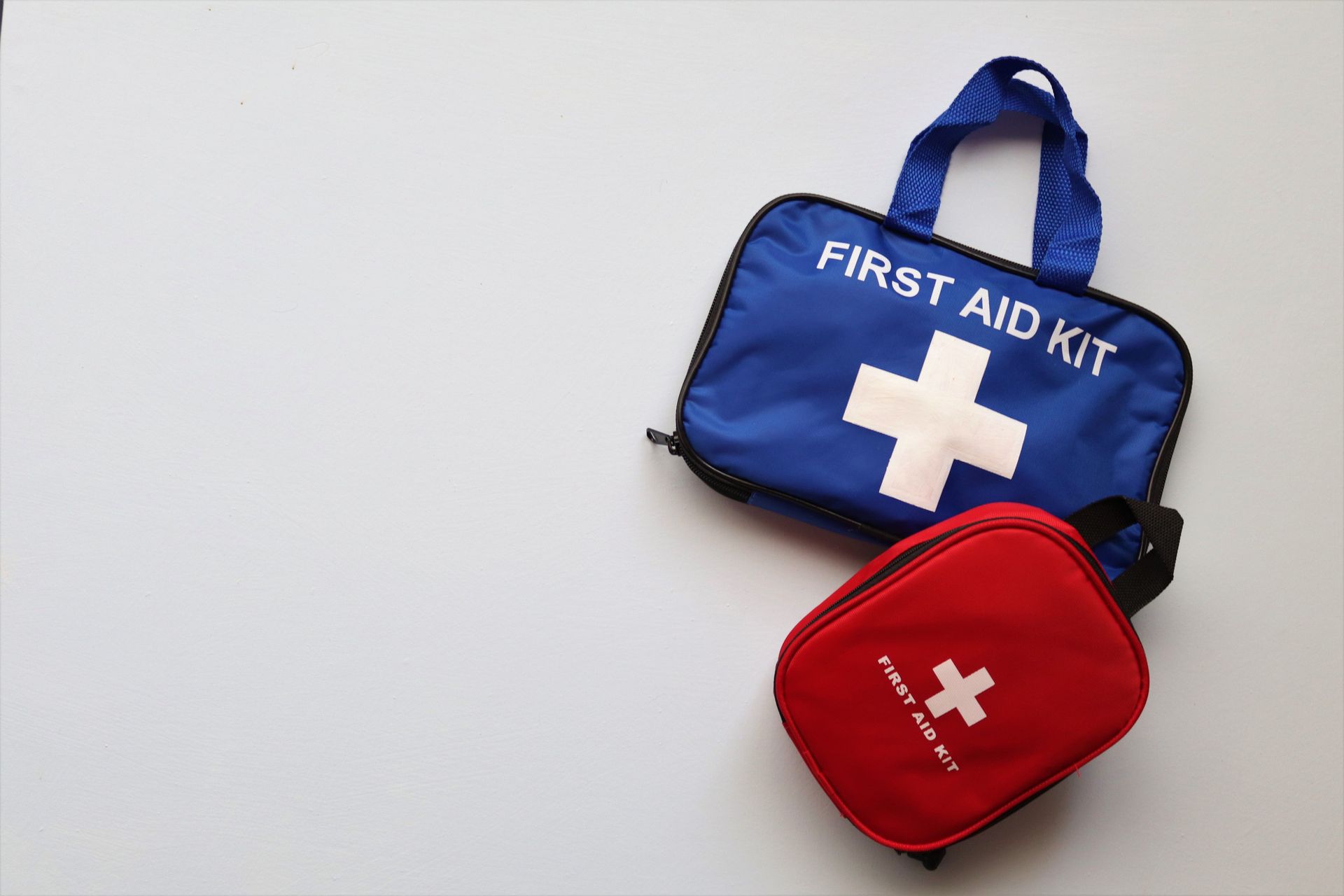
Managing remote location medical exposure requires more than a first aid kit. Discover how schools can protect students and staff during off-site excursions.

Transform your school's excursion approval process from a compliance checklist into active risk management. Protect your students, staff, and legal liability.

When things go wrong off-site, who is actually responsible? Discover why relying on paperwork isn't enough for school excursion safety decisions and risks.

NZ’s own EOTC incidents show what happens when risk planning isn’t clear or current — and what school leaders need for lasting, field-ready safety systems.

The moment students leave the classroom, duty of care shifts dramatically. Understand how risk changes and what schools must do differently on excursions and trips.

School leaders are moving away from compliance-heavy risk assessment to system-based approaches. Learn why schools are rethinking excursion risk management.

Most school excursion approvals are complex theatre. Learn what real approval looks like, why it matters for duty of care, and how to build a defensible process.

Structured risk assessments reduce decision fatigue and protect staff when they're tired. Learn why documented plans beat improvisation on school excursions.