Imagine the scenario: A serious incident has occurred on a school excursion. Six years later—because that is how long these cases often take to grind through the system—you are standing in a witness box.
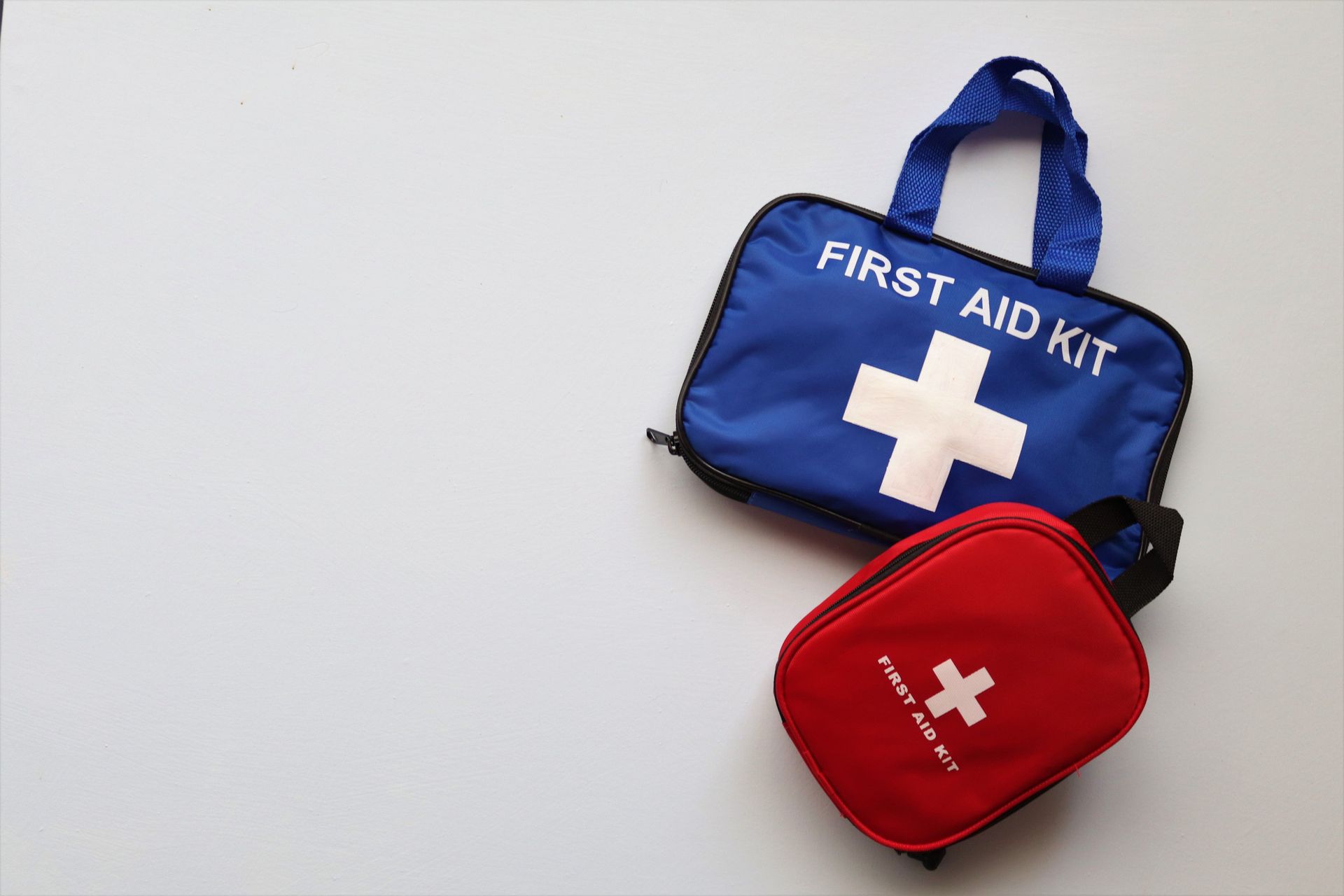
A barrister is holding a piece of paper. It is the risk assessment you or your staff filled out years ago. They read a specific control measure you ticked off: "Staff to carry first aid kits and monitor student hydration."
Then, they ask the question that unravels everything: "We have evidence the student hadn't drunk water for four hours, and the nearest first aid kit was in a bus two kilometres away. You said you would do this. Why didn't you?"
At this moment, your risk assessment is no longer a compliance hurdle you jumped over to get the trip approved. It is a piece of evidence. And in a court of law, a tick in a box without the action to back it up is not a defence—it is often proof of negligence.
The Paperwork Paradox
There is a dangerous disconnect in many schools between the document and the reality. Too often, we see schools obsessed with paperwork, believing that a signed form equals safety.
The reality is that a paperwork system based purely on checking boxes often masks a lack of real risk management understanding. I have seen schools determine an activity "unsafe" simply because the paperwork wasn't pretty enough, which is an ill-informed approach that misses the point entirely.
Courts are not interested in whether your filing system is neat. They are interested in whether you met your
duty of care. They want to know if you identified foreseeable risks and, critically, whether you actually implemented the controls you promised.
Paperwork without training and experience is just paperwork. If it does not reflect the dynamic reality of the excursion, it offers you very little protection when things go wrong.
Foreseeability and the "Untrained Eye"
When a coroner or judge reviews a school tragedy, they look for "foreseeability." Could a reasonable teacher have predicted this outcome?
The tragedy is that what is an obvious and foreseeable risk to trained eyes can be completely missed by untrained eyes.
We frequently see classroom teachers—who are excellent educators—tasked with completing complex risk assessments for international trips or outdoor camps. They often lack the specific training to identify the hazards inherent in these unstructured environments.
If a teacher fills out a risk assessment but misses a critical hazard because they were not trained to see it, the school is exposed. You cannot claim an incident was an "unforeseeable accident" if an expert witness can testify that any qualified excursion coordinator would have spotted the danger immediately.
The Gap Between Plan and Action
The most damaging evidence in court is often the gap between what you planned to do and what you actually did.
Consider a medical emergency. You might document that "medications will be administered on time." But in the chaos of a camp, with distractions and fatigue setting in, that plan can fail. I have seen situations where a student's critical medication was missed because the system relied on memory, not a robust process.
If you state in your risk assessment that you have a fatigue management plan, but your staff are pulling 24-hour shifts without sleep—which research shows impairs decision-making similarly to being drunk—your document becomes evidence that you knew the risk existed but chose to ignore it.
Building a Defensible Position
So, how do you ensure your risk assessment stands up to scrutiny?
1. Move Beyond the "Tick and Flick"
Risk management should not be something made up as you go, nor just a piece of paper someone fills in to get approval. It must be a living process.
2. Invest in Competence
If a teacher has not had formal risk management training, they should not be planning or running an activity. Providing staff with specific training for off-site activities changes the risk profile dramatically. It demonstrates to a court that you invested in your staff’s ability to make good decisions, not just their ability to fill out forms.
3. Implement Real-Time Systems
You need to close the gap between the office and the field. This means using systems that allow staff to access medical information, emergency contacts, and risk protocols instantly.
The Goal is Safety, Not Just Compliance
The purpose of a risk assessment is not to satisfy an insurer or a bureaucrat. It is to ensure that your students—who deserve transformative experiences—come home safely.
When you build a culture of true risk management, rather than just compliance, you protect your students from harm and your school from liability. You ensure that if you ever do end up in that witness box, you can confidently say: "We identified the risk, we trained for it, and we managed it effectively."
A Next Step for Your School
Review your current excursion policy. Does it require your staff to merely submit a document, or does it require them to demonstrate the skills to execute it?
If you are concerned that your current risk assessments might be "tick and flick" documents that wouldn't hold up in court, we can help you review your processes.
Would you like to discuss how to audit your school's current risk management culture with our team?