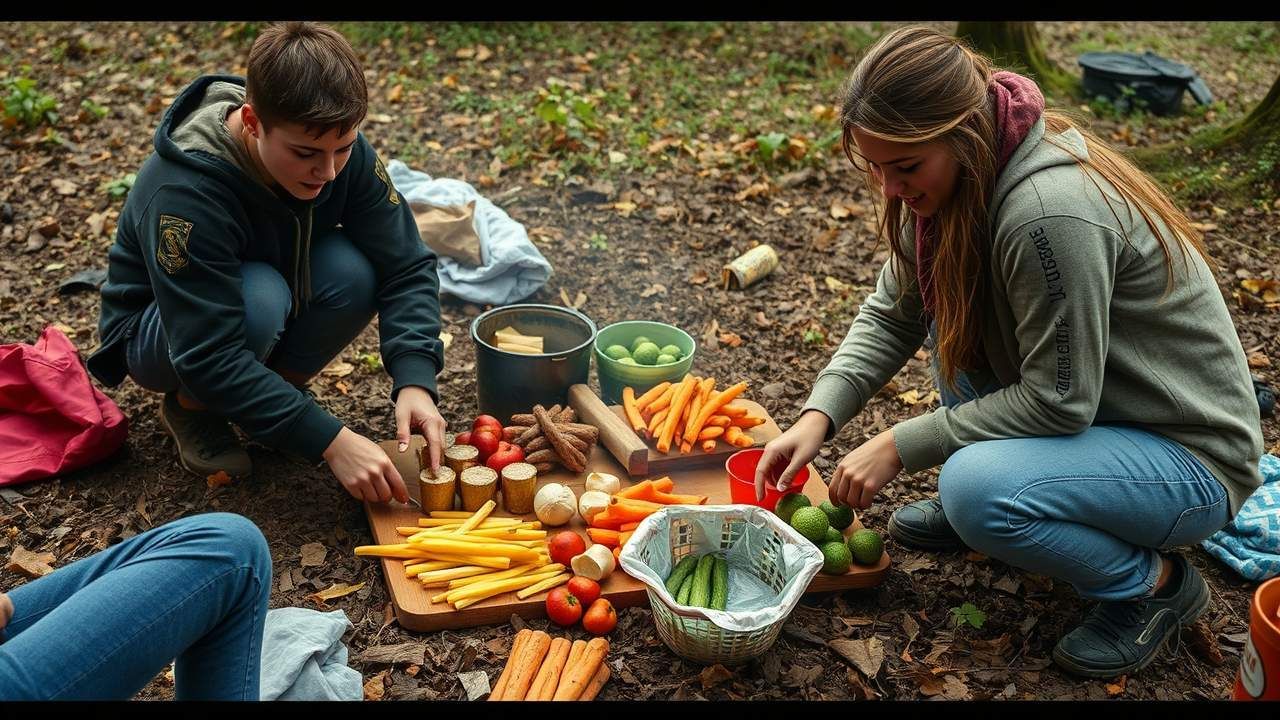
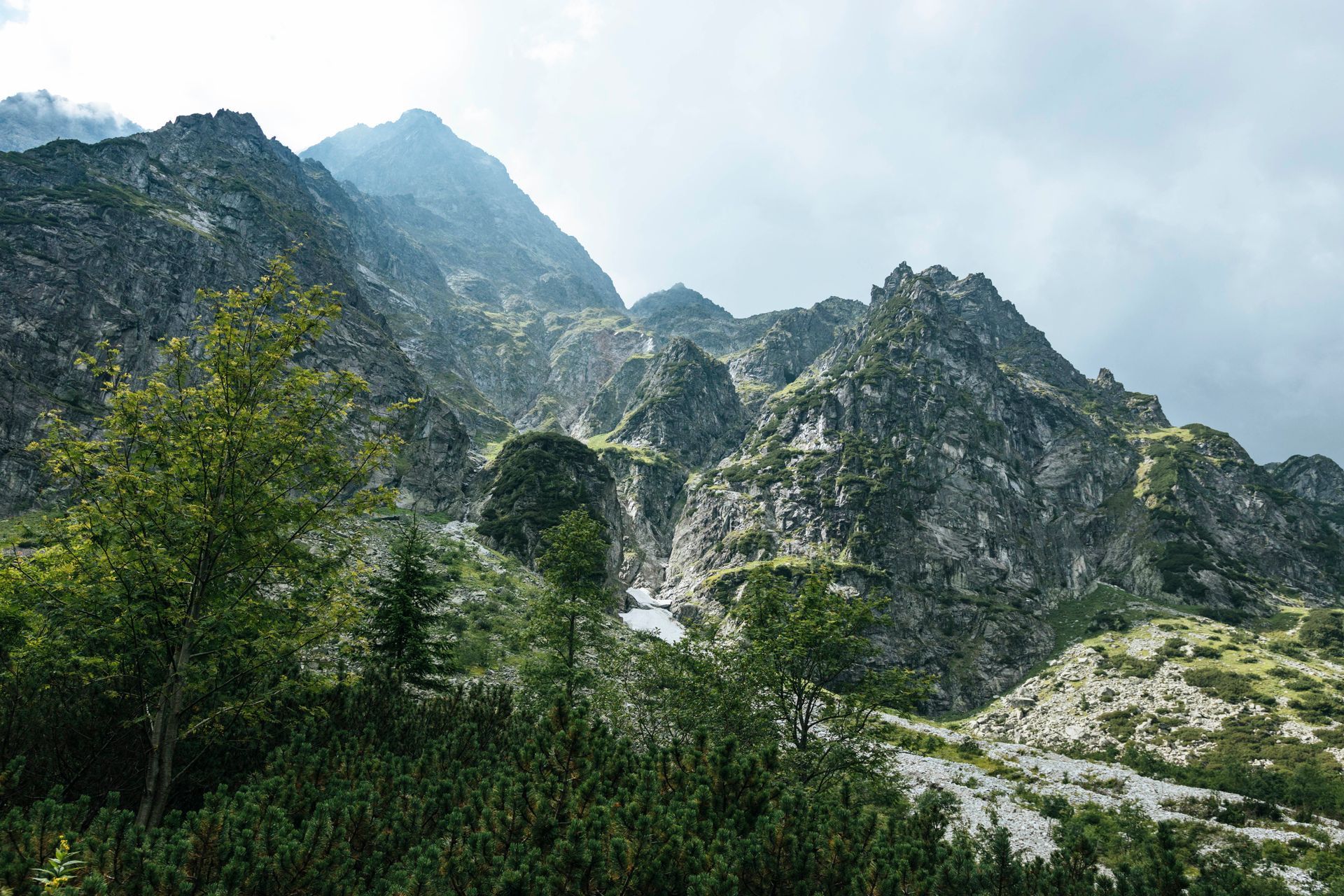
Recently, I was on an expedition with a group of Year 9s along the spectacular south coast of New South Wales. It was a journey of around 30km, and despite the challenges, it was a spectacular trip.
Given the group had been trained in all the requisite skills beforehand, I framed my briefing so they were running the expedition, not me. Consequently, the boys had the opportunity to explore, take on challenges, and make decisions they otherwise wouldn’t.
From a staffing point of view, the other teacher and I were there purely as the risk managers. This means we would only intervene if there was a serious, unacceptable level of risk. If they walk in the wrong direction for an hour, I don’t care. If they’re thinking about crossing a flooded river, then this is my moment to facilitate a discussion. This student-led model is the pinnacle of effective school excursion risk management.
The Experiential Educator's Mindset: Facilitator, Not Pied Piper
At no point with high school students do I want to be "taking" them on a trip. Any teacher can blindly lead a group around the bush and call it a hike. From an educational point of view, this creates no real learning opportunities. As an experiential educator, you must let them take you.
For some teachers, this is way too hard as they don’t want to give up control. But to truly empower students, you really just need to let go. This level of facilitation is a high-level skill, which is why comprehensive risk management training for teachers is so important. It moves beyond just rules and into the art of pedagogy.
Case Study: The Headland and the Swell
Back to the coastal expedition. We’d had really high seas for the past week, which raised a few red flags. However, there wasn’t anything significant enough to mean we had to cancel the trip. This student-led model requires meticulous background planning. Using school excursion risk assessment software like Xcursion Planner, we document these potential decision points, or "cruxes," in advance. We log alternative routes and note the environmental triggers (like tide times and swell height) that would make a route unviable. This allows the educator to act as a facilitator, confident that the logistical groundwork is already in place.
Setting the Scene
On Day 1, we hiked along 7 kilometres of beach before reaching a headland. Knowing this was a potential decision point, I positioned myself towards the front of the group to act as a facilitator. It remained up to my students to make an informed assessment.
At the headland, there are two ways around: a bush track up and over, or the rocky platforms directly ahead. I’d stopped at a vantage point where I could see the powerful swell crashing on the platform below. To this point, the boys hadn’t been paying much attention. The easy beach walk had lulled them into a relaxed state.
The Initial Assessment
Gathering the boys, I said, “Ok, this is one of the points that you need to carefully assess.” One of the boys a "passenger" student used to having everything done for him immediately said, “Let’s just go straight ahead!”
If I hadn't been there to facilitate, he would have kept walking onto the rock shelf, not noticed the approaching swell, and been swept off the rocks. He saw only the reward of a fast solution and perceived no risk.
Facilitating Awareness
I said to the boys, “Wait a minute. Before you make a decision, let’s run through the options.” While they were listening, more importantly, they were watching the ocean. It only took another 30 seconds. A massive set of three waves pounded the rocks below, and a fine mist covered us from head to toe.
Suddenly, their attitude changed. “We don’t want to go down there!” one said. The passenger from before then argued, “We’ll be fine, let’s just time it and run across!” The next wave smashed onto the platform, covering the entire shelf.
I knew what decision needed to be made, but this was their teachable moment. They had to make it for themselves.
The Decision
After a few more minutes of discussion and observation, they finally decided. “We’re going to go around, Sir!” Without making a big deal about it, we backtracked and went up and over the headland.
From a Moment to a Mindset: The Lasting Impact
I could have just stopped everyone and said, “It’s too hazardous, we can’t do this!” But I would have wasted a vital learning opportunity. Because the boys made the decision, for the rest of the trip, every other headland we came to, they ran through the same decision-making process themselves. I didn’t have to intervene at all.
In our debrief that evening, we contrasted the very real risk they had managed with their own individual perceived risks like trying something new or confronting a fear. It was one of the most insightful discussions I’ve ever had with a group, all because we had seized that moment earlier in the day.
So whenever you’re presented with a situation like this, embrace it. Facilitate the discussion and use it to help teach your students valuable lessons they’ll never understand unless they’ve actually experienced it for themselves.