
International School Travel

Xcurison Safety • January 20, 2026

Is Your First Aid Training Up to the Global Challenge?

International school trips are a fantastic way to build immersive real-world experiences into any school program. They form an important part of a modern education for our students to understand and appreciate the world.


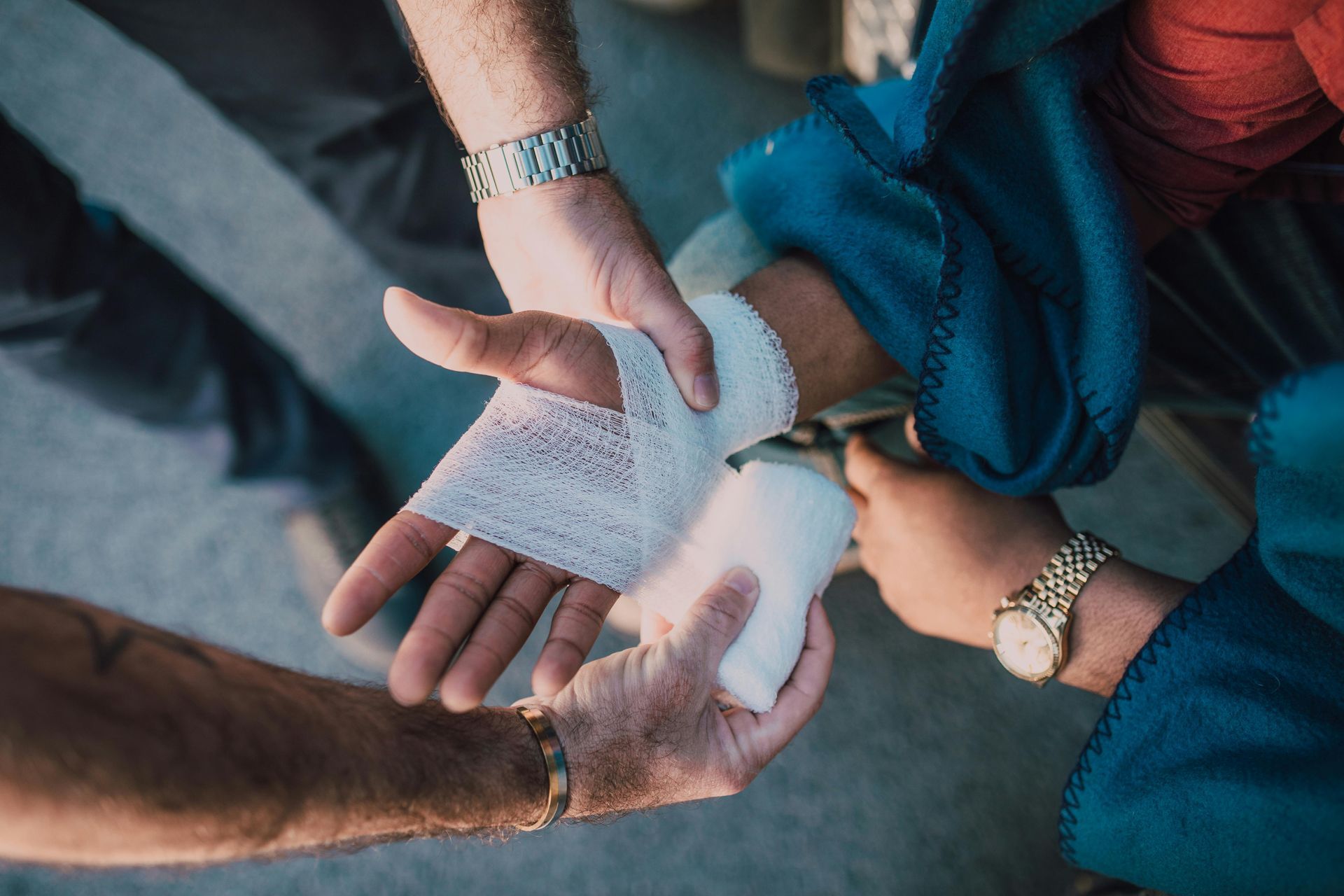
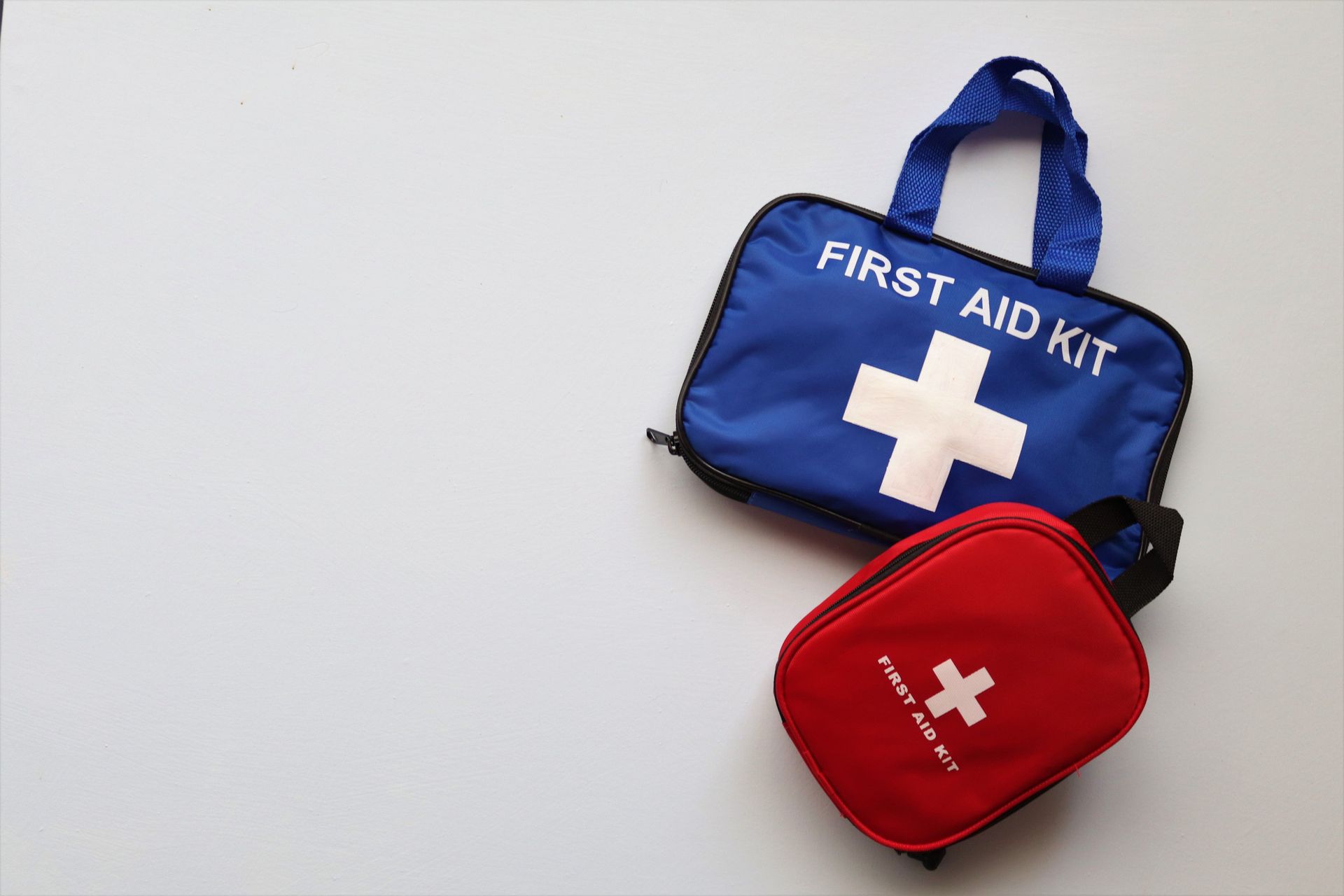
But before we grab our passports, we must confront a critical question: Do your staff have the first aid training needed for overseas travel?


The truth is that international school travel is far riskier and can have far greater consequence than any other program your school will ever run. Outside the classroom, you are operating in a highly dynamic and uncontrolled environment, dealing with foreign cultures, different laws, and standards. This contrasts dramatically with the structured classroom where support is generally a phone call away. When you are travelling internationally, emergency response may be hours or days away.


Often, international programs are being run by classroom teachers who have an excellent academic skillset and good intentions. However, this strong classroom skill set is not what’s needed for the practical and complex realities of taking students overseas, leading to a significant risk gap and potential exposure to massive liabilities. Most teachers, unfortunately, have never had any specific training in risk management for excursions.


We must learn from tragedy. In 2019, four preventable student fatalities occurred on school travel programs. Two of these deaths—one on a history tour and one on a language tour—were eerily similar: both students had an infection which coroners determined could have been easily treated by a doctor. According to the findings, delays in decisions, poor communications with parents, and inadequate understanding of the students combined to delay definitive medical care. What is an obvious and foreseeable risk to trained eyes can be completely missed by the untrained eyes.


It is inexcusable to rely on learning about risk management through osmosis or just making things up as you go. If staff are running high-risk activities domestically, such as snow sports, ski patrol members are generally trained at a higher level of first aid than most teachers. The stakes are arguably even higher when travelling overseas, where negligence leading to a fatality can expose school leadership to industrial manslaughter charges and severe penalties.


Cancelling international travel is a ridiculous suggestion. A more rational solution is ensuring that staff are well-trained and equipped to respond quickly and effectively to dynamic situations. This commitment requires schools to allocate money for good quality training and development.


Investing in specific advanced training moves staff from unconscious incompetence to conscious competence, where they understand risks and control them. Safety isn’t paperwork; it is leadership clarity in action. This ensures programs are well run and memorable for all the right reasons.


If your staff are untrained in high-level first aid specific to international operations, your programs are simply too risky and should not be run. However, rather than cancel, these great programs, ensure that your lead time has planning up-skilling of staff included.

By Xcurison Safety February 19, 2026
Growth happens outside the comfort zone. A personal story of conquering a double-black diamond ski run and the lessons for student resilience.
By Xcurison Safety February 18, 2026
A school camp risk assessment often looks perfect until an incident occurs. Learn why compliance fails in the field and how to build safety culture in your school.
By Xcurison Safety February 17, 2026
Coordinate multiple activity stations for various trips with scheduling, and communication tools. Use risk assessment software to ensure a well-managed program.
By Xcurison Safety February 16, 2026
Most school camp incidents are caused by broken systems, not the activities themselves. Learn to identify systemic gaps and protect your staff and students.
By Xcurison Safety February 15, 2026
Don't get cornered by chaos. Learn why contingency planning is critical for school excursion safety and how to build flexible 'Plan Bs' into your risk assessment.
By Xcurison Safety February 12, 2026
Uphold duty of care and reduce hazards and risks with targeted risk assessments for school excursions involving students to zoos, aquariums, and wildlife parks.
By Xcurison Safety February 11, 2026
Excessive paperwork often creates a false sense of safety. Discover how rigid school excursion risk management compliance can unintentionally increase real risk.
By Xcurison Safety February 10, 2026
Move beyond temporary 'initiative games'. See how allowing students to build permanent structures creates deep engagement, teamwork, and lasting pride.
By Xcurison Safety February 9, 2026
Discover what happens when school risk assessments enter the courtroom. Learn why simple checklists fail and how to genuinely prove your duty of care at your school.
By Xcurison Safety February 8, 2026
Why do boys take more risks? Learn strategies for managing high-risk behaviour in boys on school excursions and how to turn 'dumb' questions into teachable moments.
Show More