The 'In the Dark' Problem
Risk Assessments for Night-Time Excursions

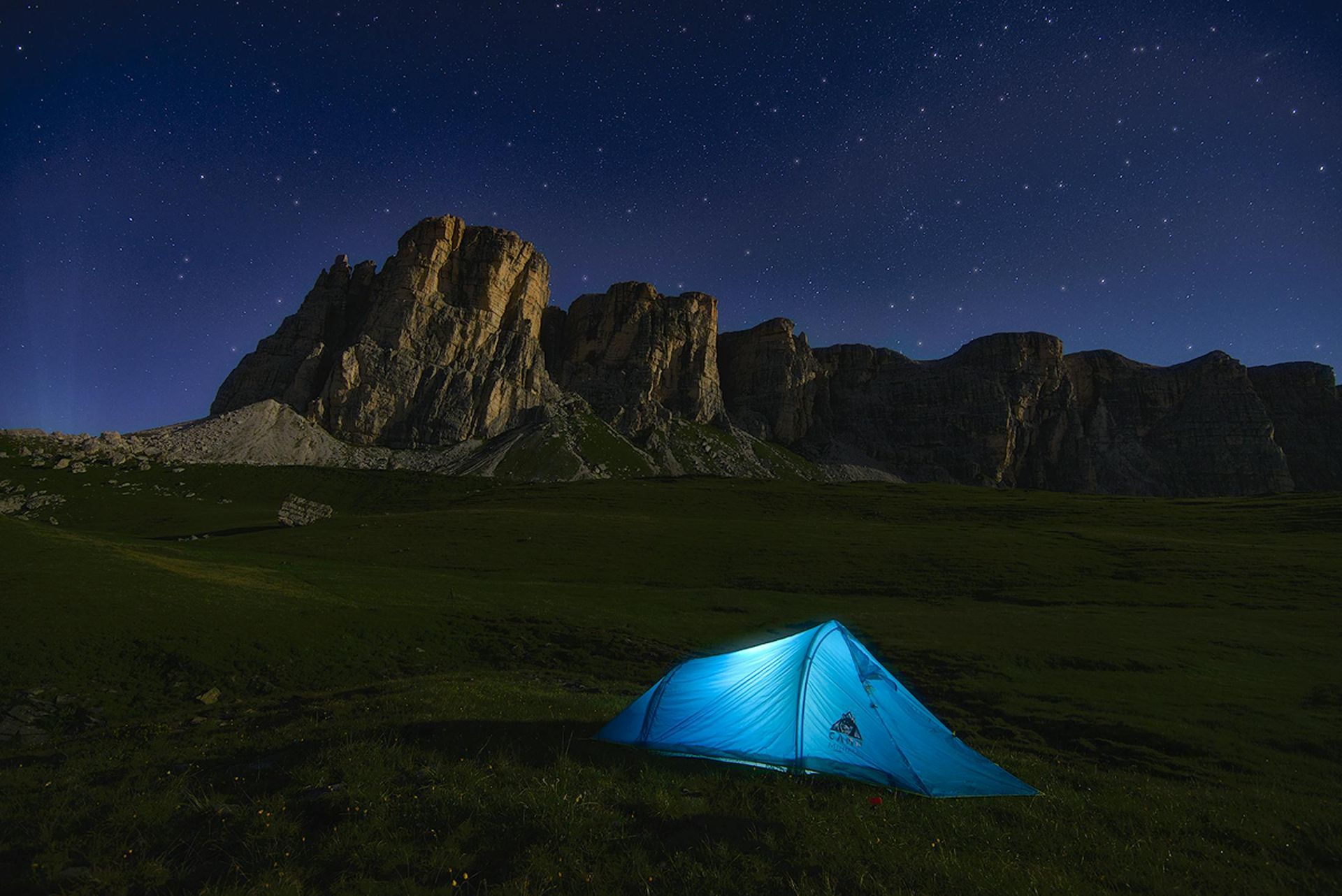
Night-time excursions offer some of the most unique and memorable learning opportunities—from astronomy nights and evening theatre performances to nocturnal wildlife hikes. However, the moment the sun goes down, the entire risk environment changes.
Reduced visibility, altered perceptions of familiar surroundings, and natural fatigue can dramatically affect decision-making for both students and staff. A path that is simple by day can become a maze of trip hazards at night. I’ve seen groups become disoriented in minutes simply because key landmarks vanish in the dark.
Assuming a daytime plan will work at night is a critical gap in risk management.
When "I Can't See" Becomes a Critical Incident
The risks at night are amplified. A simple trip or fall can be harder to spot and assess. A student wandering from the group can become genuinely lost, not just separated. Fatigue can lead to poor choices, and the psychological impact of darkness can cause anxiety or panic.
On a night navigation exercise, one group missed a checkpoint and started doubling back the wrong way. Because trip leaders were positioned at key points with radios a plan that was mapped and documented we were able to redirect them before any real panic set in. Without that specific night-time plan, it could have escalated into a much more serious incident.
Key Controls for Night-Time Excursion Planning
Your risk assessment must be built specifically for night conditions, focusing on three key areas:
1. Visibility and Equipment: Mandate specific lighting for all participants (e.g., a head torch with spare batteries) and check it before setting out. Ensure staff have high-powered torches and that any fixed site has adequate, non-intrusive lighting.
2. Supervision and Boundaries: Your supervision ratios must be enhanced. Staff need to be more actively positioned. For camps, you must establish clear, well-lit "no-go" zones and bathroom paths.
3. Emergency Access: How will emergency services find you in the dark? Your plan must include logging the nearest 24-hour medical facilities and, crucially, clear directions for night-time vehicle access to your specific location.
How Xcursion Planner Mitigates Night-Time Risks
This is where a generic risk assessment fails and a specific, digital plan becomes essential. Xcursion Planner allows you to build these controls directly into your excursion plan:
· Map Night-Specific Hazards: You can map routes with specific notes for night conditions (e.g., 'deep rut on left side,' 'unlit junction').
· Log and Track Critical Equipment: Use digital checklists to ensure every participant and leader has the required lighting and communication gear.
· Document Zoned Supervision: You can map out and assign trip leaders to specific zones or patrol areas, as in the navigation exercise, ensuring full coverage.
· Provide Instant Emergency Info: All 24-hour medical contacts and night-time emergency access points are logged and instantly accessible on every staff member's phone.
Night excursions are highly valuable, but they only work when you accept that darkness changes everything. Proactive planning for this unique environment is a non-negotiable part of your duty of care.