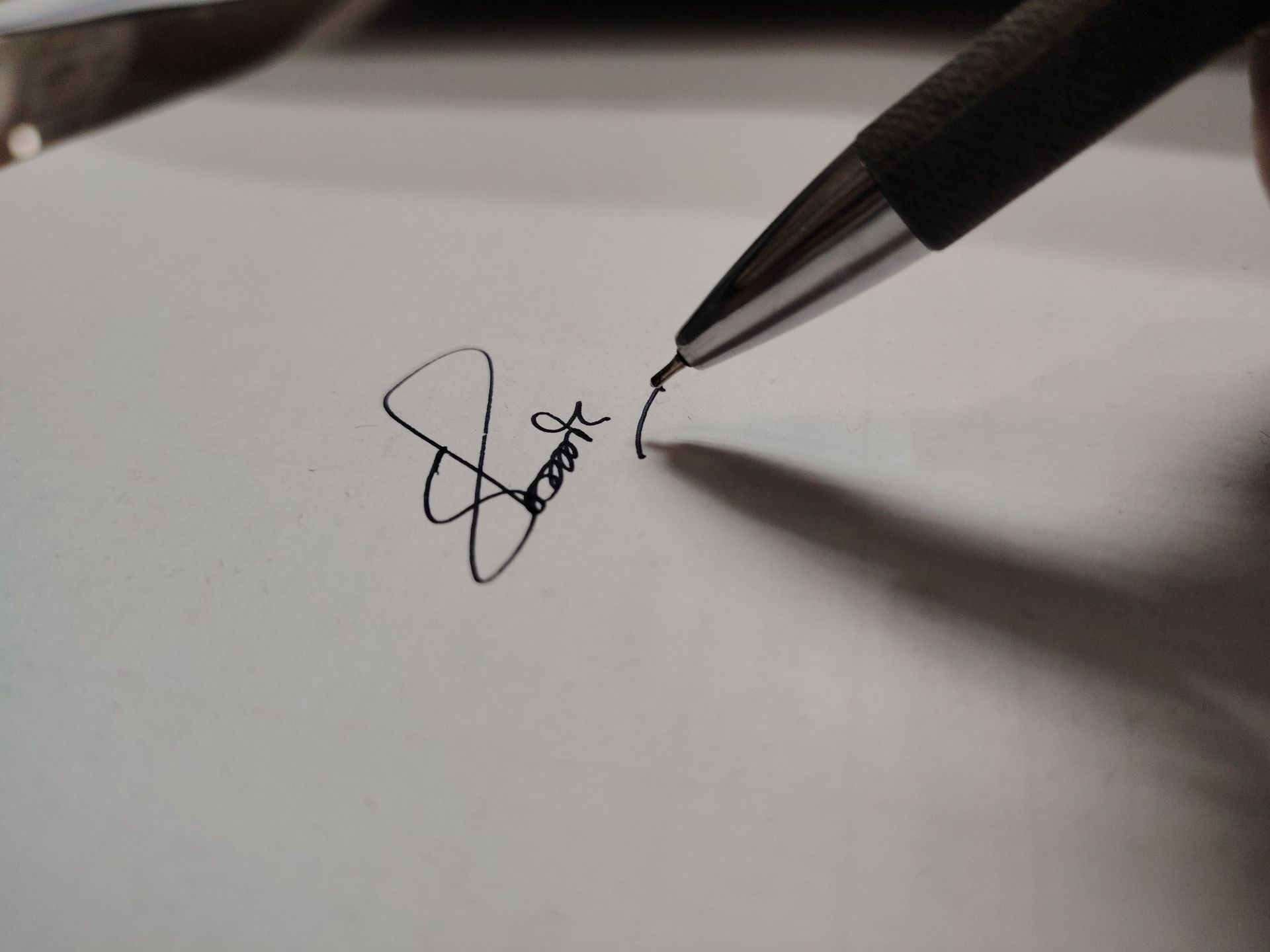
The waiver. That magical piece of paper (or more likely, digital checkbox) that vendors love to wave around, hoping it will protect them from liability should anything go wrong. Schools, on the other hand? Not so much. In fact, many schools are becoming increasingly cautious about signing waivers, and for good reason.
Vendors often believe waivers act as a legal force field, shielding them from their risk management obligations and responsibility. Many we've read state that the vendor cannot possibly be held to account if someone goes wrong. Wait what? It's their program, they have a legal and moral obligation to take reasonable steps to ensure the safety of their participant. Whenever I read something like this, it fills me with suspicion and mistrust of the vendor as I now think what problems and short comings are they trying to coverup?
The reality is that many waivers aren’t worth the paper they’re written on and their enforceability depends entirely on local laws, and in many cases, courts throw them out, especially when negligence is involved. But unless you’re a legal expert (or have one on speed dial), how can you figure out what’s actually being asked of you in a waiver before signing it?
This where ChatGPT comes in!
ChatGPT – Your Legal Translator (But Not a Lawyer!)
Before we go any further, let’s be clear: We're not lawyers (thank goodness for that) and this is not legal advice! ChatGPT is also not a lawyer, but much nicer to chat with.
ChatGPT won’t tell you whether a waiver is legally binding in your jurisdiction. But what it can do and does quite well is translate complex legalese language and terms into something a normal person can understand.
This means you can at least figure out whether a waiver is asking you to sign away all reasonable rights (which, many of them try to do) and what specifically they're trying to get you to agree to.
How to Use ChatGPT to Decode & Translate a Waiver Into Something a Real Person Can Read
Copy and Paste the Waiver
Take the full text of the waiver (or just the sketchiest-looking clauses) and paste it into ChatGPT with a prompt like:
"Explain this waiver in plain English, highlighting any concerning clauses that could limit liability."
Look for Nasty Red Flags
ChatGPT will break down terms like indemnification, assumption of risk, waiver of subrogation, hold harmless agreements & donation of kidneys. These clauses often shift responsibility away from the vendor and onto you, even in cases where the vendor is clearly at fault (or is secretly running a human trafficking ring).
Ask ChatGPT Follow-Up Questions
If something still seems off, refine your question:
"Does this clause mean that if the provider is negligent, we still can’t hold them accountable?"
"Are these terms enforceable in [jurisdiction]?"
ChatGPT can give you general insights, but here’s the catch, legal enforceability varies by location. That’s why the next step is critical.
Check with Your School's Risk Manager or Legal Counsel
Whilst AI can help you understand the waiver, it cannot tell you if it will hold up in court. Before signing anything, always check with someone who knows the laws in your jurisdiction. Many schools are now refusing to sign waivers outright or negotiating terms with vendors to ensure liability remains where it should—with the service provider.
Why Waivers Can Be a False Sense of Security for Vendors
The bottom line is that A waiver is not a substitute for good risk management.
Vendors, relying on waivers instead of proper safety measures are dangerous to work with and should be avoided like the Plague. It can lead them to believing they don't have to take all of the reasonable and practicable safety steps which are legally required of them to conduct the activity. We've seen and worked with some great vendors over the years. We've also seen some horrific ones. In my experience, more often than not, the more horrific the operator the more likely they are to have a waiver which says they're not responsible for anything and often often quote consumer law and not health and safety (again not a lawyer, but this is a failure obvious I often saw when I was director of outdoor education).
The reality is that no inanimate piece of paper with your signature on it that's stuffed inside someone's dodgy filing cabinet has ever prevented an accident. Instead when working with vendors we want see clear evidence of:
✅ Proper staff training
✅ Clear emergency procedures
✅ Thorough and location and activity specific risk assessments
✅ Qualified and experience instructor for activities
✅ Open and transparent about any incidents, injuries or emergencies they've had to deal with.
At the end of the day, solid safety systems processes and culture protect students and staff far better than any inanimate waiver. If a third-party provider hands you a waiver and says, "Sign this and we’re covered," you should run, don’t walk, to your risk manager and legal counsel (and try not to trip on anything when running).
Using ChatGPT (or any AI, other than DeepState, no wait... DeepFake... oh it's DeepSeek ;) you know what I mean) to decode a waiver can be incredibly useful, but it’s not a replacement for sound legal advice. The best approach? Understand the waiver, question any red flags, and always ensure you're working with vendors who prioritize real risk management over legal loopholes. Because when things do go wrong, a well-trained team backed by a clear safety culture is far more valuable and useful than a flimsy piece of paper.