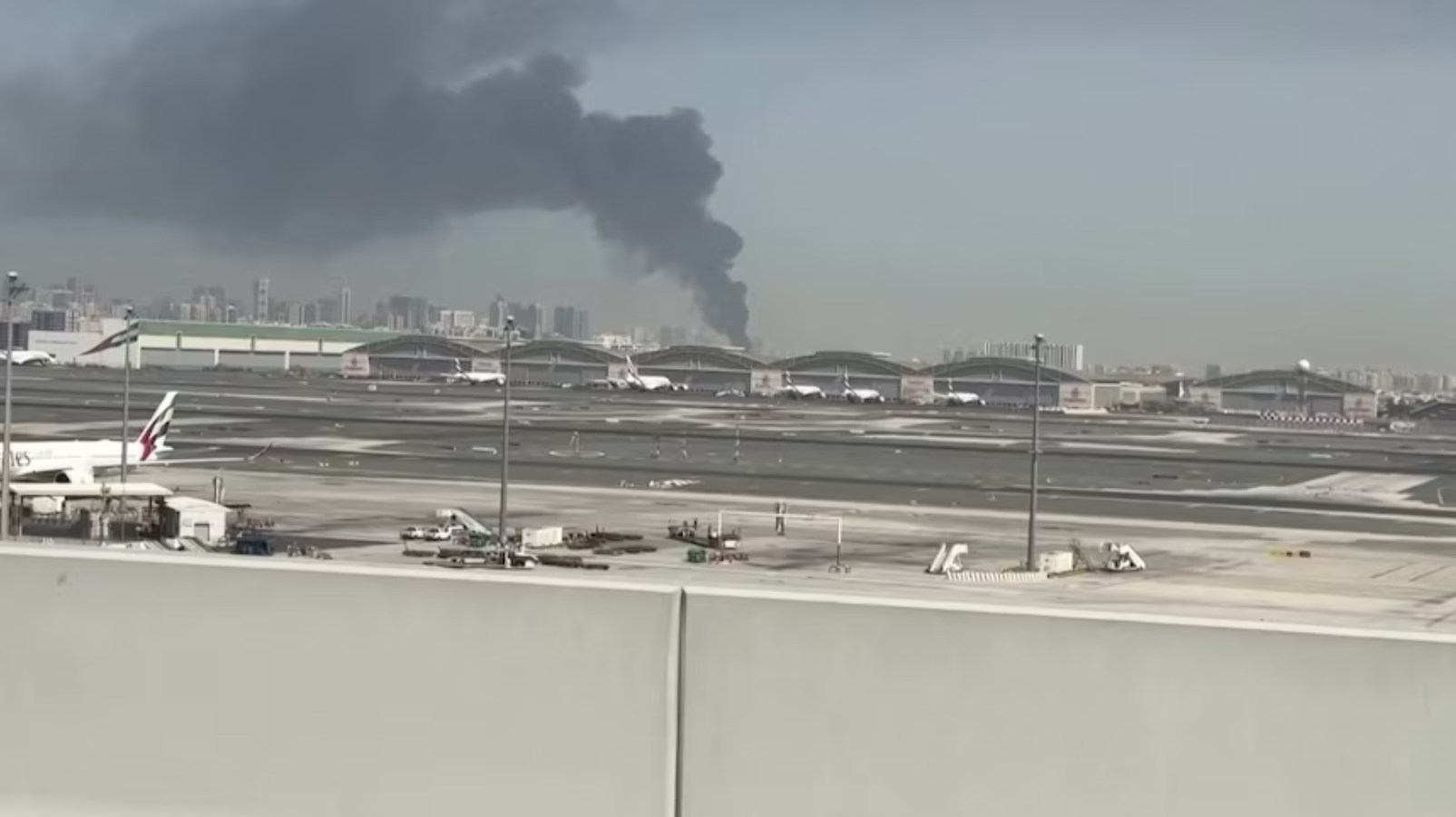
Dubai Airport - Source ABC News
International school travel has long been one of the most enriching experiences a student can have broadening perspectives, deepening cultural understanding and building lifelong memories. However, the duty of care that schools owe to their students and staff must always come first and the current geopolitical climate demands that school leaders take a careful, informed approach before proceeding with any travel programs, particularly those involving the Middle East or regions affected by its ongoing instability.
The conflict that has persisted across the Middle East continues to carry consequences well beyond its immediate geography. Regional tensions, the risk of conflict escalation, disrupted flight routes and heightened security environments in multiple countries mean that the risk profile for school travel has shifted considerably.
Key Risks Schools Must Consider
1. Elevated Security Threats Several countries in and around the Middle East region remain subject to "Do Not Travel" or "Reconsider Your Need to Travel" advisories from your Government's traveller advisory service. Even in countries not directly involved in the conflict, there is an increased risk of civil unrest, protests, and isolated security incidents that can affect travellers unexpectedly. Basically for schools "Reconsider Your Need to Travel" means Do Not Travel!
2. Rapidly Changing Conditions The situation on the ground can change with very little warning. Flight paths may be altered or cancelled, borders can close, and government travel advice can be upgraded overnight. Schools need to have clear contingency plans and ask themselves honestly: if conditions deteriorated suddenly, do we have the resources and protocols to bring our students home safely?
3. Duty of Care and Legal Liability Schools have a significant and non-negotiable duty of care toward every student in their charge. Proceeding with travel to a region carrying elevated risk without thorough documented review can expose school leadership, governing bodies, and the broader school community to serious legal and reputational consequences. It’s essential that every decision regarding international travel is properly documented, reviewed by appropriate personnel, and communicated transparently to families.
4. Student and Staff Wellbeing Beyond physical safety, the psychological impact of travelling through or near areas of active conflict should not be underestimated. Students and staff may experience heightened anxiety, and exposure to distressing environments can have lasting effects. Schools should consider not just the physical risk but the broader wellbeing of those travelling.
Steps School Leaders Should Take Now
If your school has upcoming international travel planned whether directly to the Middle East or to connecting regions we recommend the following actions be taken immediately:
- Review current government travel advice for every country on the itinerary, including transit countries.
- Consult your travel insurance provider to confirm coverage remains valid given current advisories. Many policies are void if travel proceeds against government advice.
- Engage your school's governing body to formally review and approve or defer any at-risk programs. This decision should not rest with a single coordinator.
- Communicate proactively with families, ensuring they are fully informed of any risks and that informed consent is properly obtained.
- Consider postponement or alternative destinations there's often other options available for redirecting a program to a safer destination until the situation stabilises.
- Brief accompanying staff thoroughly on emergency protocols, communication plans, and the location of the nearest Australian consular services.
A Considered Approach Is a Strong Approach
Making the decision to defer or modify a travel program is a clear option at this point in time. The experiences that school travel provides are valuable, but the ongoing conflict means the landscape will remain significantly changed for an extended period of time.
We encourage all school travel coordinators, principals, and leadership teams to schedule a formal review of upcoming programs as a priority agenda item this term.