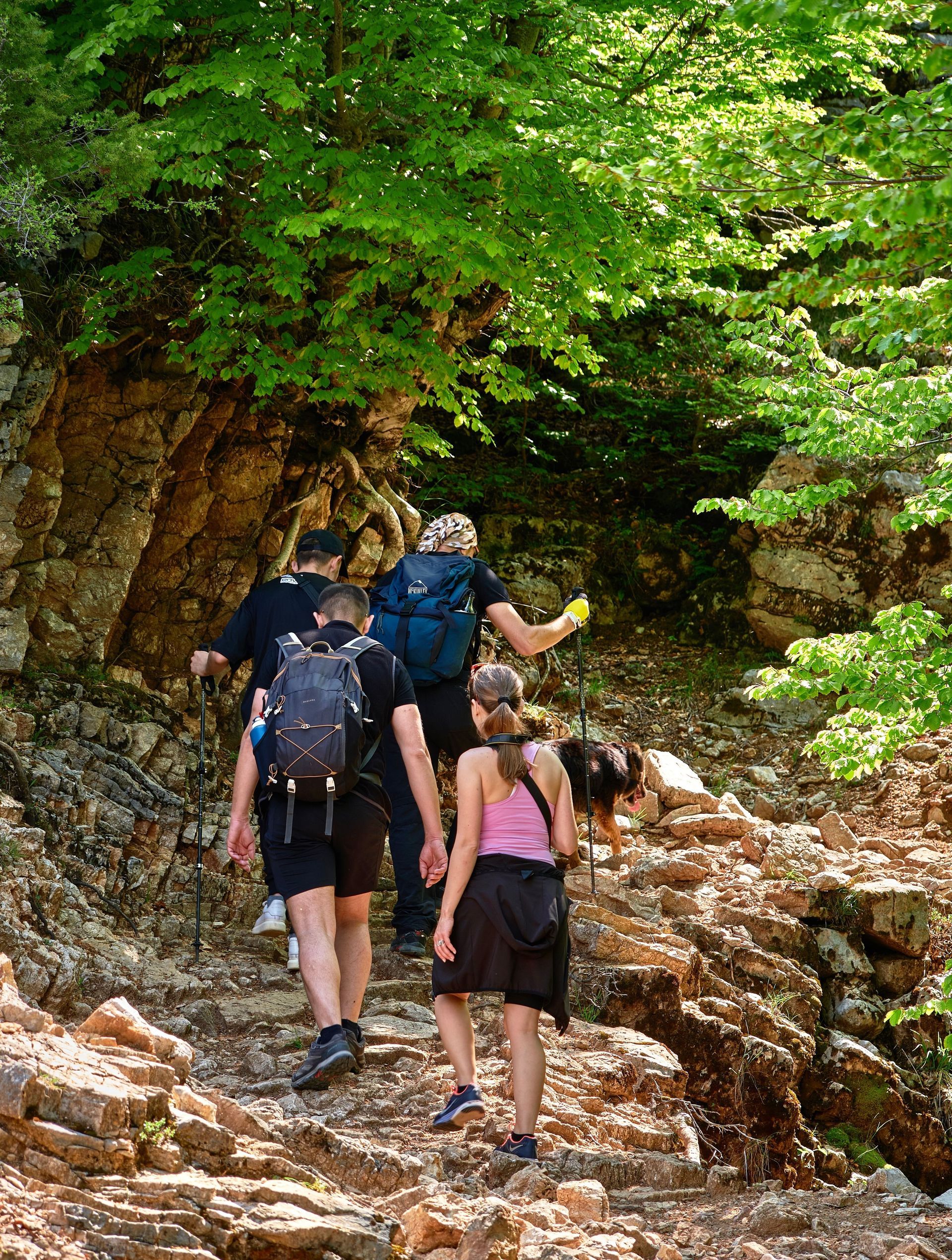
What is your school's risk management plan? Do you have one? Does everyone know about it? Do you really know what's expected of you in regards to your school's risk management?
Is it just about the documents, or does it go deeper than that? What's your school's appetite for risk? Do you even know what that means? Is the school's risk management backed up by any sort of budget?
These are some really important questions you should be asking your school administration.
The Overwhelm Problem
With the global pandemic having highlighted some serious challenges for schools and the world, the idea of risk management can feel overwhelming. However, it doesn't have to be, because much of the angst and frustration comes from confusing and contradictory information.
Having a solid foundation and understanding of risk management can help reduce some of these concerns now. It is massively beneficial over the long-term for student safety and wellbeing.
The Form-Filling Fallacy
Unless we have an idea of what's expected and the systems in place for risk management at school, it's hard to know where to start. Most schools have a risk form, which is often completed by teachers with no real understanding about risk management.
This is not their fault, but it is problematic and an issue which needs to be addressed right across the school to ensure good risk management can be developed and applied consistently throughout the school.
Risk management should not be just made up as the program goes, nor should it be just a piece of paper which someone has to fill in.
Good risk management occurs weeks, months, and years before a school excursion or activity even begins, but so many schools don't provide training for their staff, which results in bad outcomes for the school and their students.
Money Doesn't Buy Safety
From years of working in the industry, we've seen the same things over and over again, and the amount of money and prestige at a school has no bearing on its ability to manage risk. Elite private schools fail at this just as often as under-resourced public schools.
It's
only through
good quality training and
development that effective risk management is possible.
What Good Risk Management Actually Requires
To achieve consistent, effective excursion risk management across your school, you need:
Comprehensive Staff Training
Every staff member involved in excursions—regardless of subject area or experience level—needs foundational risk management training. This isn't an optional professional development day; it's a core competency requirement.
Annual Refresher Courses
Risk management skills atrophy without regular practice and updating. Annual refreshers ensure staff stay current with best practices, legal requirements, and your school's specific protocols.
Extension Training for Complex Activities
Staff leading higher-risk activities (outdoor education, overseas trips, adventure programs) need specialized training beyond the baseline. Don't send classroom teachers on international tours with the same preparation as someone supervising a museum visit.
Clear, Implementable Expectations
Risk management expectations need to be clear and able to be implemented by every department, regardless of the subject. The PE department and the Drama department should be working from the same risk management framework, adapted to their specific contexts.
Adequate Budget Allocation
Schools need to allocate money for good quality training, equipment, and reviews for all the programs they run which involve a level of risk. If you're running the program, you need to fund the safety measures properly.
How Xcursion Planner Supports School-Wide Risk Management
While training is non-negotiable, the right systems can make that training more effective and ensure consistency across your entire school:
Centralized Risk Management Protocols
Create school-wide standards for excursion planning, risk assessment, and incident response. When every department uses the same system, you can ensure consistent application of your risk management policies rather than each teacher inventing their own approach.
Standardized Risk Assessment Templates
Provide structured frameworks that guide staff through comprehensive risk identification—even if they've never considered certain risk factors before. This reduces the variability that comes from different levels of experience and expertise.
Mandatory Checkpoints and Approvals
Build in approval workflows that ensure experienced staff review excursion plans before departure. This creates a safety net for less experienced teachers while building institutional oversight.
Accessible Documentation
Store all risk assessments, permission notes, medical information, and emergency protocols in one centralized location accessible to all supervising staff. When information is scattered across email threads and filing cabinets, people make decisions without critical context.
Incident Reporting and Analysis
Capture incidents, near-misses, and lessons learned in a systematic way. This builds organizational memory and helps identify patterns that individual staff members might miss. Use this data to inform training priorities and policy updates.
Audit Trails and Compliance Tracking
Document who completed what training, when risk assessments were approved, and how decisions were made. When WorkSafe or lawyers come asking questions, you need evidence that your systems were followed not just assurances that they probably were.
Building a Culture, Not Just Completing Forms
Through implementing proper training, clear systems, and adequate resourcing, schools can build a culture of risk management that results in great educational programs and outcomes for students.
This culture means:
Staff feel confident taking students on enriching excursions because they know how to plan properly
Risk assessments become thoughtful planning tools, not administrative burdens
Incidents are reported and learned from, not hidden out of fear
Students benefit from amazing experiences that are genuinely safe, not just lucky
Parents trust that the school takes duty of care seriously
The Questions You Should Be Asking
Go back to your leadership team with these questions:
What risk management training have our staff actually completed? (Not just attended—actually learned and can apply)
How do we ensure consistency in risk management across departments? (Do we have a system, or does everyone do their own thing?)
What's our budget for excursion safety? (Training, equipment, proper supervision ratios, emergency response capability)
How do we learn from incidents and near-misses? (Do we have a systematic process, or do we just hope they don't happen again?)
Can we demonstrate our duty of care obligations are being met? (If WorkSafe showed up tomorrow, what could we prove?)
What's our actual risk appetite? (What risks are we willing to accept, and what mitigations do we require?)
These aren't comfortable questions, but they're necessary ones. Because when something goes wrong on an excursion, "we didn't think about that" isn't a defence—it's an admission of negligence.
This will help reduce injuries, incidents, and make every activity which is being run safer and more enjoyable for students.
And that's the whole point, isn't it?